Flow measurement mythbusters illustration featuring common myths and truths.

Flow Measurement Myths: Separating Fact from Fiction

Welcome to the thrilling world of flow measurement, where precision meets practicality! But as with any field, a few myths have slinked in like uninvited guests at a party. Today, we’re donning our detective hats and diving headfirst into the flow measurement Myths! Let’s separate fact from fiction in this dynamic industry.

Flow Measurement Myth 1: “All Flow Meters are Created Equal”

Fact: While they may look similar at first glance, flow meters vary significantly based on technology, application, and measurement needs. From electromagnetic to ultrasonic, each type has its unique strengths and weaknesses. Choosing the right one matters—like picking the best tool for your DIY project.

Flow Measurement Myth 2: “Calibration is a One-and-Done Affair”

Fact: Many believe that once a flow meter is calibrated, it remains accurate indefinitely. Not true! Flow meters can drift over time due to wear and tear, environmental conditions, or changes in fluid properties. Regular calibration is essential to maintain accuracy—like regular oil changes for your car!

Flow Measurement Myth 3: “You Can Set It and Forget It”

Fact: If only! Flow meters need monitoring and maintenance. Ignoring them could lead to inaccuracies, which could affect everything from product quality to compliance. Think of flow meters as pets—they require attention and care to thrive!

Flow Measurement Myth 4: “Digital Flow Meters Are Always More Accurate”

Fact: While digital flow meters offer advanced technology, they’re not inherently more accurate than analog types in every situation. Accuracy is contingent on the application, installation, and conditions. It’s like assuming a sports car always outperforms a truck—a fair comparison depends on the context!

Flow Measurement Myth 5: “Calibration is Too Complicated to Handle in-House”

Fact: While calibration may sound daunting, many organizations find they can successfully manage routine calibrations in-house with the right training and equipment. Many flow measurement suppliers offer training programs to help demystify the process. It may require some effort, but it’s rewarding—like learning to cook a new recipe!

Conclusion

With so many misconceptions floating around in the flow measurement industry, it’s essential to distinguish between myths and reality. By arming yourself with accurate knowledge, you can make informed decisions that enhance efficiency and boost performance.

So, next time someone tries to sell you on a flow measurement myth, you’ll be ready to call them out with deft confidence and a touch of humor!

Ready to take your flow measurement game to the next level? Explore our extensive range of precision flow measurement products designed to meet your specific needs! From cutting-edge flow meters to reliable calibration solutions, we have everything you need to ensure accuracy and efficiency in your operations.

Check out our flow measurement products now!

Smart Flow Meter Technology: The Future of Industrial Flow Measurement

Smart Flow Meter Technology: The Future of Industrial Flow Measurement

The flow measurement industry is undergoing a digital revolution. Smart flow meters are transforming how industries monitor and control liquid and gas flows, offering unprecedented accuracy, connectivity, and predictive capabilities.

Unlike traditional mechanical meters, these advanced devices integrate IoT connectivity, real-time analytics, and remote monitoring – but are they the right choice for your facility? In this guide, we’ll explore:

✔ How smart flow meter technology works
✔ Key benefits over traditional meters
✔ Top industrial applications
✔ Cost vs. ROI analysis
✔ Implementation considerations

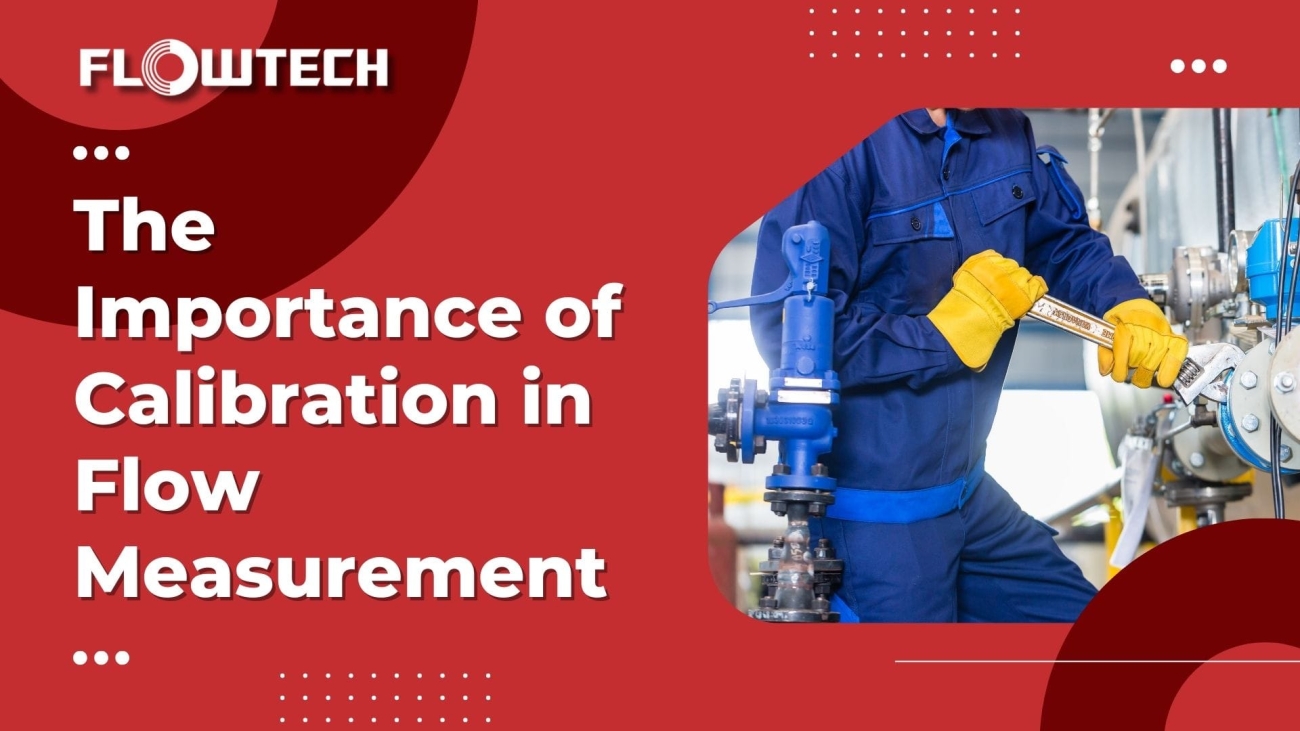
The Importance of Calibration in Flow Measurement

The Importance of Calibration in Flow Measurement

In various industries, the precise measurement of fluid flow is crucial for quality control, safety, and efficiency. From oil and gas to water treatment and pharmaceuticals, flow meters are essential tools that measure the amount of fluid passing through a system. However, to ensure accurate readings and optimal performance, regular calibration of these instruments is paramount. In this blog post, we will explore the importance of calibration in flow measurement and how it impacts various aspects of operational efficiency.

What is Calibration?

Calibration is the process of adjusting and verifying the accuracy of a measuring instrument by comparing its performance against a known standard. In the case of flow meters, this involves comparing the flow meter’s output with a standard flow rate to ensure its readings are accurate. Calibration must be performed periodically, as factors such as wear and tear, environmental conditions, and changes in the fluid being measured can cause drift in measurements over time.

Why is Calibration Important?

  1. Accuracy and Reliability
    • Accurate flow measurements are critical for operational efficiency and decision-making processes. Even minor inaccuracies can lead to significant financial losses, safety hazards, and compliance issues. Calibration ensures that flow meters provide reliable data, essential for maintaining the integrity of operations.
  2. Regulatory Compliance
    • In industries governed by strict regulatory standards, such as pharmaceuticals or food and beverage, calibration is often a requirement. Regular calibration ensures compliance with industry regulations and standards, helping companies avoid penalties and maintain their reputation.
  3. Optimizing Performance
    • Regular calibration helps maintain the performance of flow meters, ensuring they operate within specified limits. This can lead to improved efficiency, reduced waste, and lower operational costs. For example, an under-reported flow rate can lead to inefficient production processes or inadequate inventory management, while an over-reported rate can result in excess costs.
  4. Identification of Equipment Issues
    • Routine calibration can reveal underlying equipment issues before they escalate. For instance, if a flow meter consistently provides inaccurate readings, this may indicate wear on the device or issues with the flow system itself. Early detection allows for necessary repairs or replacements, minimizing downtime and maximizing productivity.
  5. Enhancing Maintenance Strategies
    • Integrating calibration into preventive maintenance strategies can enhance overall operational effectiveness. Regularly scheduled calibrations ensure that flow meters are functioning properly and can help extend the life of the equipment. Additionally, maintaining accurate instruments can streamline maintenance processes by identifying potential failures early.

Best Practices for Calibration

  1. Establish a Calibration Schedule
    • Create a routine calibration schedule based on the specific requirements of your flow meters and industry standards. Depending on the application, some meters may require calibration monthly, quarterly, or annually.
  2. Use Certified Calibration Standards
    • Ensure that calibration is performed using certified standards and equipment. This guarantees that measurements are accurate and traceable to national or international standards.
  3. Document Calibration Results
    • Maintain meticulous records of calibration results, including date, measured values, adjustments made, and the technician responsible. This documentation can be crucial for compliance audits and performance reviews.
  4. Train Personnel
    • Ensure that staff members responsible for calibration are properly trained in the calibration process. Understanding the operation and characteristics of flow meters is crucial for effective calibration.
  5. Involve a Professional Service
    • Consider engaging a professional calibration service for complex flow measurement systems. Professional technicians can ensure that the calibration process is thorough and meet industry standards.

Conclusion

Calibration is not merely a routine task; it is a critical factor in ensuring the accuracy, reliability, and ultimate success of flow measurement systems. By implementing a robust calibration plan, businesses can enhance operational efficiency, comply with regulations, and reduce costs. Remember, in the world of flow measurement, accuracy is key—investing in regular calibration helps to protect that investment and ensures your processes run smoothly.

Ready to ensure the accuracy of your flow measurement systems? Contact us today to learn more about professional calibration services tailored to your industry needs!

Get in Touch | Learn More About Our Services

Choose the right flow meter for your application

How to Choose Right Flow Meter for Your Application

How to Choose Right Flow Meter for Your Application: A Comprehensive Guide

Choosing the right flow meter for your application might seem like a daunting task, but it doesn’t have to be. With countless options available and various factors to consider, it’s essential to simplify the process. By breaking it down into manageable pieces, you can confidently choose right flow meter for your application. Read on for some valuable tips and considerations to help you choose right flow meter effectively.

Understanding Your Industry Needs

The first step in choosing right flow meter is understanding the specific demands of your industry. Different sectors have unique operational requirements that influence flow meter selection. Here are a few examples:

  • Water and Wastewater Treatment: In this industry, flow meters must endure harsh conditions. They must provide accurate measurements while being resistant to corrosion and buildup. Electromagnetic and ultrasonic flow meters are common choices here, thanks to their durability and low maintenance.
  • Food and Beverage: When it comes to food processing, hygiene is paramount. Flow meters used in this sector need to comply with strict sanitary standards. A popular choice for this application is the rotary piston flow meter, which provides accurate measurements without compromising safety.
  • Oil and Gas: Flow meters in this sector face the challenge of measuring fluids with varying viscosities and densities. Coriolis flow meters, known for their accuracy and reliability, often fit the bill in these demanding environments.

Keep your industry’s needs front and center as you narrow down your options. Knowing the specific requirements can help guide you in the right direction and assist you in choosing the right flow meter, ultimately helping you avoid costly mistakes down the road.

Fluid Characteristics: More Than Just a Number

Once you’ve understood your industry environment, the next step is to evaluate the fluid you’ll be measuring. Every fluid has unique characteristics that factor profoundly into the decision-making process. Here are some key fluid considerations to keep in mind:

  • Viscosity: Thicker fluids may hinder the performance of specific flow meters. For instance, if you’re measuring syrup or thick oil, a positive displacement flow meter can provide more accurate readings than a turbine flow meter, which can struggle with high-viscosity fluids.
  • Temperature and Pressure: The temperature profile of your application can significantly impact the choice of flow meter. High temperatures may require specially designed flow meters to withstand the conditions without losing accuracy. Similarly, high-pressure applications have their own set of requirements, often necessitating robust meters that can handle the increased stress.
  • Corrosiveness: If you’re dealing with aggressive or corrosive fluids, it’s critical to select flow meters made from compatible materials. For example, chemical processing often requires flow meters with protective coatings or materials like PTFE or Hastelloy to ensure longevity.
  • Phase: Is your fluid in a single phase (liquid or gas) or a mixture? This distinction can influence your choice, as certain flow meters are designed explicitly for gas, while others function seamlessly with liquids.

In essence, the fluid itself is a vital clue in deciphering which flow meter is ideal for your application. Take the time to analyze its characteristics before making your final choice.

Environmental Conditions: Think Beyond the Flow

Now that you have a better understanding of your industry and the fluid characteristics, it’s essential to consider the environmental factors where the flow meter will be installed. This might include elements such as:

  • Temperature Extremes: Will your flow meter be exposed to extreme temperatures? Meters designed for specific temperature ranges can often ensure better accuracy and longevity.
  • Pressure Fluctuations: If your application involves fluctuating pressures, make sure to choose a flow meter designed to handle such conditions without affecting performance.
  • Installation Environment: Is the meter going to be in a humid, dusty, or explosive atmosphere? Flow meters designed for specific environments, such as explosion-proof or IP-rated models, can save you from potential hazards down the line.

By factoring in the specific environmental conditions, you can mitigate risks and enhance the longevity and accuracy of your flow meter.

Making the Final Decision: A Few More Considerations

Before you finalize your decision, here are a few additional elements to mull over:

  • Initial and Ongoing Costs: While it can be tempting to choose the cheapest option, consider both initial investment and the long-term operational costs. A slightly more expensive, higher-quality flow meter may save you considerable maintenance costs down the line.
  • Ease of Installation and Maintenance: Some flow meters are simpler to install and maintain than others. If you’re short on time or resources, opting for a straightforward model could be a smart move.
  • Calibration Requirements: Understand how often you’ll need to calibrate your flow meter. Some models are more user-friendly and require less frequent calibration, while others may demand regular, close attention.

Conclusion: Trust Your Instincts and Research

Once you’ve navigated through these considerations, you’ll be well-equipped to make an informed decision about the flow meter that best suits your needs. Choosing the right flow meter is about aligning your specific circumstances with the technology available. Trust your instincts, do thorough research, and don’t hesitate to reach out to experts or manufacturers for insights.

Remember, the right flow meter will not only ensure accuracy but also enhance your operational efficiency. Happy measuring!

Ready to find the perfect flow meter for your needs? Inquire Now and let our experts help you choose right flow meter today!

The Role of Electromagnetic Flowmeters in Industrial Water Treatment

The Role of Electromagnetic Flowmeters in Industrial Water Treatment

Introduction – Electromagnetic Flowmeters

In industrial water treatment, electromagnetic flowmeters play a crucial role in ensuring accurate wastewater flow measurement, STP flow meters, and ETP flow monitoring. These flowmeters provide precise, real-time data for measuring the flow of sewage, raw water, and treated effluent, helping industries optimize processes, maintain compliance, and reduce operational costs. With low maintenance and high durability, electromagnetic flowmeters have become the preferred choice for industrial water treatment applications.

Among the various flow measurement technologies available, electromagnetic flowmeters (magmeters) have become the preferred choice for industrial applications due to their high accuracy, durability, and non-intrusive measurement capabilities.

In this article, we explore the role of electromagnetic flowmeters in industrial water treatment, their benefits, and why they are the best solution for wastewater flow measurement, STP flow meters, and ETP flow monitoring.

Understanding Electromagnetic Flowmeters

Electromagnetic flowmeters work on Faraday’s Law of Electromagnetic Induction, where a conductive liquid passing through a magnetic field generates a voltage proportional to its velocity. These flowmeters measure this induced voltage to determine the flow rate accurately.

Unlike traditional flowmeters, magmeters have no moving parts, making them highly reliable for industrial water treatment applications.

Key Features of Electromagnetic Flowmeters in Water Treatment:

  • High Accuracy: Measures flow rates with minimal deviation (±0.5% or better).
  • Non-Intrusive Measurement: No obstructions or moving parts, reducing maintenance costs.
  • Suitable for Various Fluids: Ideal for wastewater, sludge, and chemically treated water.
  • Real-Time Monitoring: Supports HART-enabled communication for automated control systems.
  • Corrosion-Resistant Design: Works effectively in harsh industrial environments.

Applications of Electromagnetic Flowmeters in Industrial Water Treatment

1. Sewage Treatment Plants (STP Flow Meters)

Electromagnetic flowmeters play a critical role in sewage treatment plants (STP), ensuring proper flow measurement for raw sewage, treated water, and sludge handling.

Key Benefits in STP Applications:


Accurate flow measurement of influent and effluent streams.
Improved aeration control, reducing energy consumption.
Ensuring compliance with discharge regulations.

Example: A municipal sewage treatment facility using flowmeters can optimize its treatment process by continuously monitoring the flow rate of incoming and treated wastewater.

2. Raw-Water Treatment Plants (RWTP)

In raw-water treatment, measuring flow rates precisely is essential for efficient filtration, sedimentation, and chemical dosing. Magmeters provide real-time flow data to ensure optimal water treatment processes.

Key Benefits in RWTP Applications:


Real-time water intake monitoring for process efficiency.
Precise chemical dosing, reducing treatment costs.
Prevention of overflows and losses in distribution networks.

Example: A power plant using raw-water treatment systems benefits from accurate flow measurement, helping optimize its cooling water usage.

3. Effluent Treatment Plants (ETP Flow Monitoring)

Industrial effluent treatment plants (ETP) require strict monitoring of wastewater discharge to comply with environmental regulations. Electromagnetic flowmeters help industries track and control wastewater flow accurately.

Key Benefits in ETP Applications:


Compliance with environmental discharge norms.
Prevention of overloading treatment systems.
Seamless integration with automated monitoring systems.

Example: A chemical manufacturing unit using flowmeters ensures that effluents meet regulatory discharge limits, reducing pollution risks.

Why Choose Electromagnetic Flowmeters for Industrial Water Treatment?

FeatureBenefit for Industrial Water Treatment
High Precision MeasurementEnsures reliable and accurate flow control.
No Moving PartsReduces wear and maintenance costs.
HART CommunicationEnables smart automation and real-time monitoring.
Corrosion & Chemical ResistanceSuitable for wastewater and aggressive fluids.
Wide Flow RangeIdeal for both high and low-flow applications.


Conclusion

For industrial water treatment facilities, accurate and reliable flow measurement is essential to optimize processes, reduce costs, and meet regulatory requirements.

Electromagnetic flowmeters provide the precision, durability, and automation-friendly features required for STP flow meters, ETP flow monitoring, and wastewater flow measurement.

If your industry requires efficient and long-lasting flow measurement solutions, Flowtech Measuring Instruments Pvt. Ltd. offers high-precision electromagnetic flowmeters designed for demanding industrial applications.

Contact us today to learn more about our customized flow measurement solutions!

#image_title

Flowtech Measuring Instruments Pvt. Ltd. Wins India 500 SME Award 2021

We are thrilled to announce that Flowtech Measuring Instruments Pvt. Ltd. has been honored with the prestigious India 500 SME Award 2021. This recognition underscores our commitment to excellence in manufacturing, exporting, and supplying high-quality industrial machinery.

WINNER OF INDIA 500 SME AWARDS 2021
#image_title

Achievements and Capabilities

Flowtech Measuring Instruments Pvt. Ltd. has made significant strides in the industry under the leadership of CEO Mr. Nilesh Shah. Our state-of-the-art manufacturing facility spans 10,000 sq. ft. and is staffed by 35 skilled and experienced employees. Our goal is to provide world-class products at competitive prices, and to achieve this, we have invested in the latest technology, customized production facilities, and advanced testing equipment.

Our Reach

Flowtech is renowned for manufacturing high-quality level, flow, and process control instruments. Our products are widely used across major states in India, including Gujarat, Maharashtra, Madhya Pradesh, Telangana, and Tamil Nadu. Additionally, we have a strong international presence, exporting to countries such as Malaysia, UAE, Singapore, Indonesia, Thailand, France, Poland, Nepal, Bangladesh, and Spain, among others.

Our Leadership

Mr. Nilesh Shah
#image_title

Mr. Nilesh Shah, our esteemed CEO, holds a B.Tech. in Mechanical Engineering. With extensive experience in the process instrumentation manufacturing industry, Mr. Shah has been instrumental in driving the company’s growth. His expertise in management, business development, and electronics has positioned Flowtech as a leader in the industry.

Thank you for your continued support as we strive for excellence in every measurement.

IoT-Based-Electromagnetic-Flowmeter

IoT-Based Electromagnetic Flowmeter

IoT-Based Electromagnetic Flowmeter: Revolutionizing Data Analysis

electromagnetic-flowmeter-iot-based-1


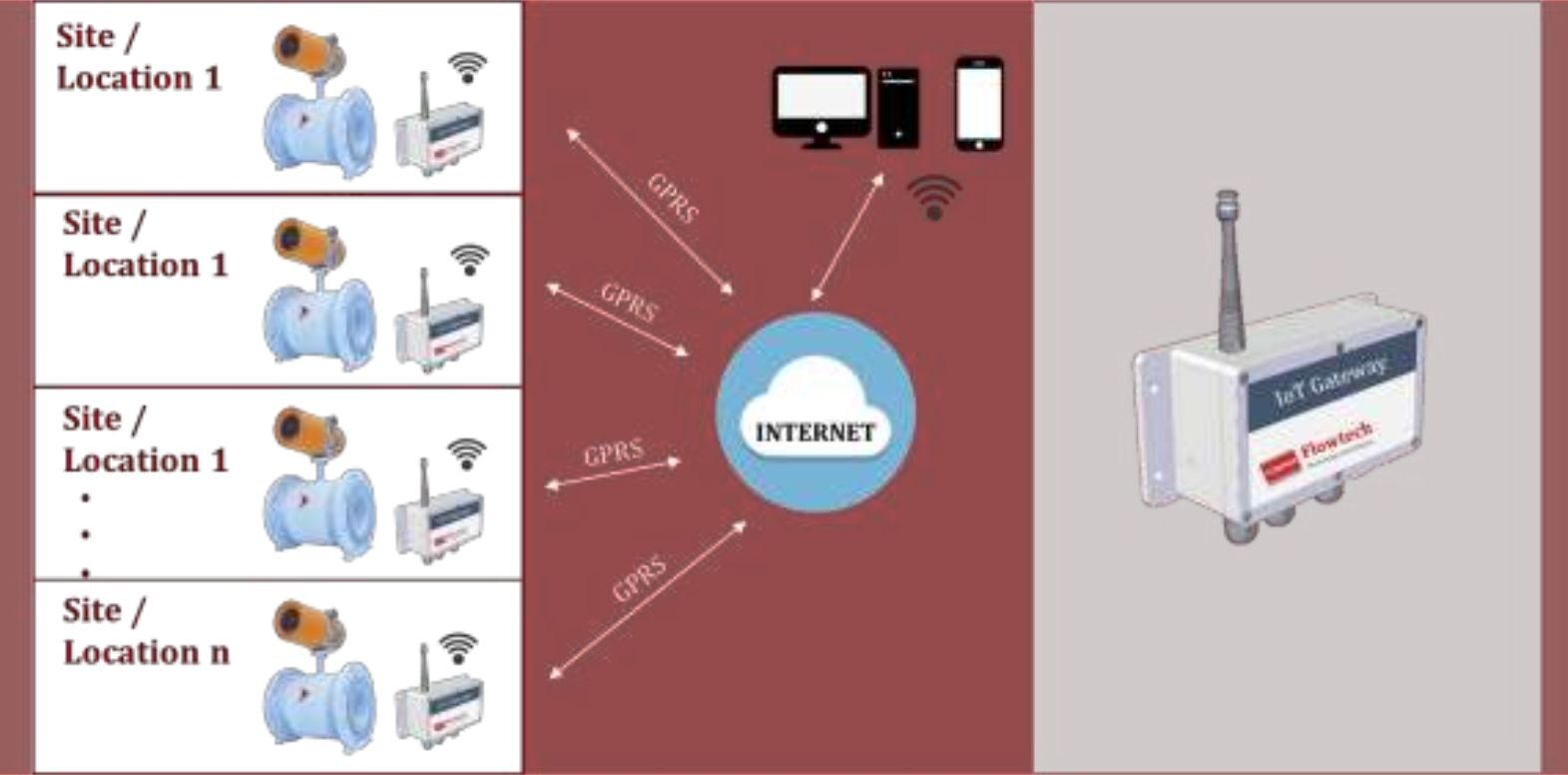
In the realm of cutting-edge technology, Flowtech’s dedicated R&D team introduces an exceptional innovation – the IoT-based Electromagnetic Flowmeter, commonly known as Mag meters. These state-of-the-art devices harness the power of the Internet of Things (IoT) to provide real-time data-driven analysis, exemplifying Flowtech’s unwavering commitment to enhancing products and delivering top-notch quality assurance services to our esteemed clients.


electromagnetic-flowmeter-iot-based-2


Unlocking the Potential of Flowtech IoT Gateway

The Flowtech IoT Gateway is purposefully engineered as a stand-alone IoT gateway, tailor-made for cloud-based applications, with a keen understanding of the diverse demands of modern industry. This cost-effective solution is highly customizable, catering to a wide array of Industry 4.0 applications. It harnesses the potential of Internet Connectivity through GPRS, 4G, Wi-Fi, or Ethernet.

Adhering to CGWA Guidelines with IoT Flow Meters

In adherence to our latest technological strides, Flowtech’s IoT-based Flow Meters are meticulously crafted in compliance with the latest CGWA guidelines. A significant step forward is the mandate by the Gazette of India, dated 24 September 2020, requiring all industries to incorporate a telemetry system for groundwater monitoring. It is imperative to align with these new regulations, and Flowtech has consistently upheld its mission to deliver the finest quality in flow meters, underlining our dedication to engineering for reliability.

Key Features of Flowtech’s IoT Flowmeters:

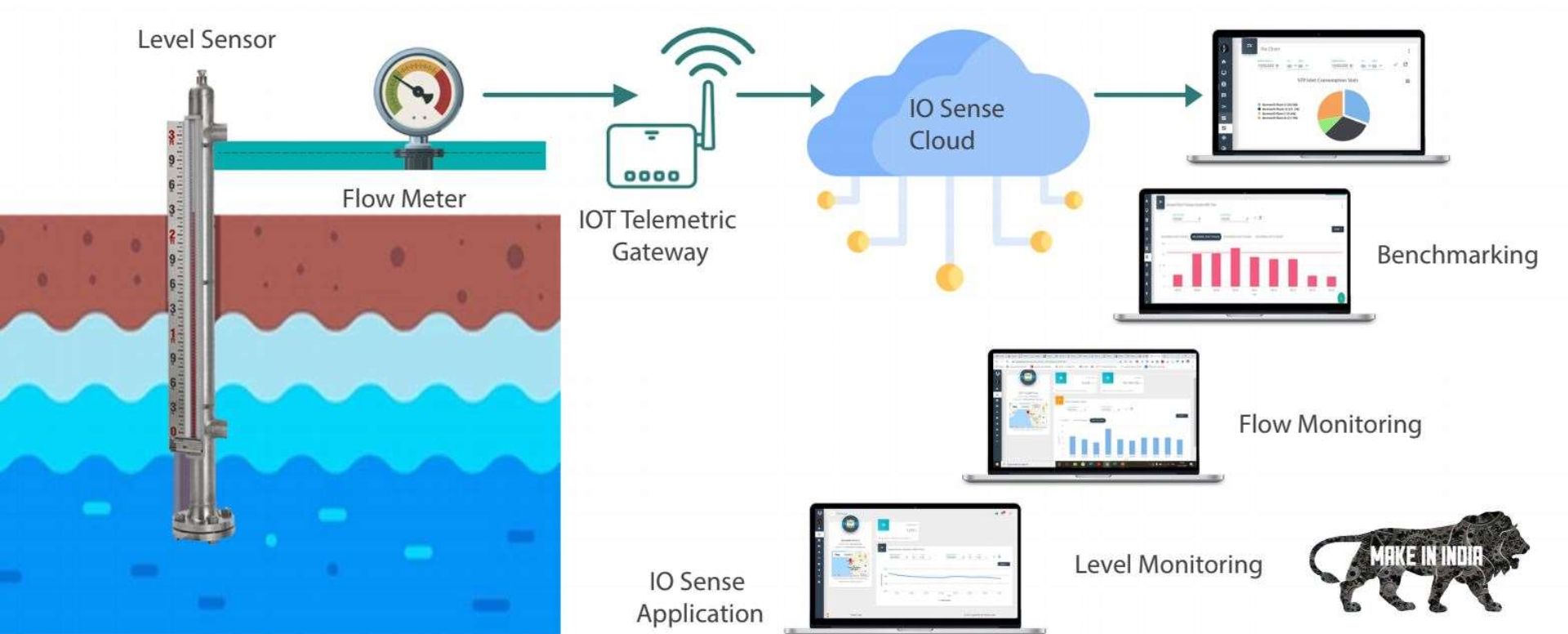
  1. 360-Degree Monitoring: Enjoy 24/7 near real-time monitoring of Flow and Level data.
  2. Trend Monitoring: Analyze and compare water consumption and level trends across multiple borewells.
  3. MIS Reports: Automatically generate daily and monthly reports for internal use and sharing purposes.
  4. Alerts and Notifications: Set up alert levels to flag deviations when water consumption or level trends exceed permissible limits.
  5. Centralized Monitoring: Monitor all your borewells from different plants conveniently via a single platform.
  6. Multi-Hierarchy System: Access curated user accounts, facilitating data sharing for central teams, plant teams, and more.

With IoT-based Electromagnetic Flowmeters by Flowtech, harness the power of data analysis and real-time monitoring to usher your operations into the future. Embrace the digital transformation and ensure compliance with the latest industry regulations while reaping the benefits of advanced technology.

CGWA-compliance-solution

Solution To CGWA Compliance

Ensuring CGWA Compliance: The Solution

The overexploitation of groundwater reserves poses significant concerns for future water needs, prompting the Central Ground Water Authority (CGWA) to introduce new guidelines for groundwater extraction. Compliance with these guidelines is essential to safeguard water resources effectively. To adhere to CGWA’s latest directives, the following instructions must be followed:

Technical Specifications for Tamper-Proof Electronic Flow Meter:

SpecificationFirst Name
NOCNOC will be issued by CGWA/SGWA
FlowmeterBattery operated Digital Ultrasonic and Electromagnetic flowmeter
IP StandardWater Flowmeter as per 4064:2014 standards and have IP 68 ingress protection
Test CertificateNPL and NABL authorized laboratory

Instructions:

  1. Mandatory Flowmeter Installation: Ultrasonic and Electromagnetic flowmeters must be installed.
  2. Compliance with ISO Standards: Water meters should be manufactured in accordance with ISO 4064:2014 Standards and feature IP 68 ingress protection.
  3. Accuracy Standards: Flowmeters must meet accuracy class 2, T50, following ISO 4064:2014 standards.
  4. Certificate Submission: Manufacturers are required to submit the latest meter certificate from FCRI, the National Physical Laboratory (NPL), or any government NABL accredited laboratory for every meter.
  5. Battery Operation: Flowmeters must be battery-operated, with no reliance on external power supplies from mains or renewable sources.

Technical Specifications for Tamper-Proof Telemetry System:

SpecificationClassification
TelemetryBattery operated as well as an external power supply operated
Data TransmissionLoRa WAN or cellular phone (GPRS/3G/4G)
ParameterTotal flow, flow rate, level, EC (saline zone)
Vendor ServerMiety registered a secure cloud server
CGWA ServerCGWA data management

Instructions:

  1. Data Storage in Power Failure: The CGWA necessitates that telemetry system data must be stored in a meter, even during power failures.
  2. Power Sources: Telemetry systems can operate with either battery power or external power supply.
  3. Data Transmission: Data should be transmitted via LoRa WAN or cellular phone (GPRS/3G/4G).
  4. Cloud Server Registration: Telemetry data should be transmitted to CGWA through a secure cloud server registered with the Ministry of Electronics and Information Technology (MeitY).
  5. Monitored Parameters: The telemetry system should monitor parameters including time stamps, cumulative volume, cumulative operating hours of the pump, and, at a minimum, transmit this data twice a day.
  6. Installation Specifications: The meter should be installed at the bore-well pump discharge line before any branching, with no bypassing of the pipe at the flow meter.


The web-based Data Management Software must be compatible with a standard PC featuring, at minimum, a Pentium Processor. This cloud-based software should offer web portal access for users to view customer data through a browser.

Once the data management platform server is operational, untampered data will be sent from the secure cloud to CGWA in real-time with robust cybersecurity measures in place.

Flowtech Measuring Instruments Pvt. Ltd. is committed to providing the most accurate Electromagnetic Flow Meters (Mag meters) to facilitate CGWA compliance, ensuring a streamlined process for data transfer and securing approvals from CGWA for your facilities and plants.

purpose-and-significant-of-flow-measurement

Purpose & Significance Of Flow Measurement

The Role of Flow Measurement in Industrial and Agricultural Processes

Flow rate, temperature, pressure, and level are crucial parameters in industrial and agricultural production control. Flow measurement, in particular, plays a vital role in various sectors, impacting our daily lives in areas such as steel, metallurgy, water supply, drainage, petroleum, chemical, food, medical, environmental protection, aviation, navigation, aerospace, and agricultural irrigation.

The Complexity of Flow Measurement

Flow measurement presents unique challenges compared to other parameters like temperature and pressure. This complexity arises from the influence of several factors, including pressure, temperature, flow state, fluid type, shape, and other variables, on flow parameters.

Achieving accurate flow measurement requires the use of different instruments and compensation methods. Consequently, a diverse range of flow meters exists, designed to address specific requirements.

For instance, gas, water, steam, and oil require different flow meters due to their distinct fluid states. The conductivity properties of the fluid further differentiate the choice of flow meters. For instance, an electromagnetic flowmeter is ideal for conductive liquids, while measuring liquid metal flow requires a DC magnetic field or low-frequency excitation electromagnetic flowmeter.

Low-conductivity fluids, on the other hand, necessitate a capacitive electromagnetic flowmeter. Therefore, selecting the appropriate flow meter is crucial for achieving effective, economical, reliable, and accurate flow measurement.

The Purpose and Significance of Flow Measurement

1. Monitoring Purpose

Flow measurement serves as a powerful tool to provide managers and control systems with precise flow parameter values during production processes. This data empowers them to make informed decisions and adjustments, leading to improved control, product quality, and output across various industries.

It aids in optimizing chemical production, dosing for water and sewage treatment, high-pressure water injection for oil extraction, steel blast furnace leak detection, and continuous casting and rolling.

These applications enhance labor productivity, product quality, and working conditions while also offering scientific and reliable data for cost reduction, energy conservation, and extended equipment service life. This purpose is commonly referred to as “monitoring.”

2. Metering Purpose

Flow measurement also serves as the basis for trade settlement between supply and demand parties in economic transactions. Flowmeters accumulate total values over time, providing accurate total volume or mass measurements for trade settlement and volume control.

Various commodities like oil, steam, water, and heat are traded based on these measurements. Additionally, flow measurement aids in resource and energy distribution and management within production enterprises. In a world increasingly focused on resource and energy conservation, flow measurement contributes substantial economic and social benefits.

3. Environmental and Resource Management

Flow measurement plays a crucial role in environmental protection and pollution control. Countries worldwide set targets for controlling industrial gas and sewage discharges. Flowmeters offer accurate data for efficient management and control of these emissions.

In many cases, both monitoring and metering purposes coexist. For example, in civil construction, using a flow meter to pour cement slurry ensures control over pouring speed and quality while accurately measuring the total amount of cement poured. This prevents waste. In the beverage industry, flow meters enable efficient automatic bagging and canning, ensuring quality, enhancing work efficiency, and reducing labor intensity.

Flow meters are designed to meet the specific needs of these various applications, offering reliable and stable measurements. For monitoring purposes, measurement stability takes precedence, while for metering purposes, high measurement accuracy is essential. Different types of flow meters cater to these distinct requirements. For example, positive displacement flowmeters are primarily used for metering, while area rotameters are well-suited for monitoring.

In the diverse world of industrial and agricultural processes, Flowtech has developed high-quality flowmeters engineered for reliability. Our instruments are designed to meet your specific requirements, ensuring accurate measurements in a wide range of applications.