19 Magnetic Flow Meters vs. Ultrasonic Flow Meters

Magnetic Flow Meters vs. Ultrasonic Flow Meters: Which One Should You Choose?

Introduction

Selecting the right flow meter can be challenging when multiple technologies are available. Two of the most widely used options in industries today are Magnetic Flow Meters (Magmeters) and Ultrasonic Flow Meters. Both offer reliable and accurate measurement of liquids, but they differ in working principles, installation requirements, accuracy levels, and applications.

In this blog, we’ll compare Magnetic vs. Ultrasonic Flow Meters, their pros and cons, and help you decide which one is best suited for your application.

How Magnetic Flow Meters Work

Magnetic flow meters operate on Faraday’s Law of Electromagnetic Induction.

  • When a conductive liquid flows through a magnetic field, it generates a voltage proportional to the flow velocity.
  • Electrodes inside the flow tube pick up this voltage and convert it into a flow rate reading.

Key Requirement: The fluid must be electrically conductive (e.g., water, wastewater, slurries, acids, etc.).

How Ultrasonic Flow Meters Work

Ultrasonic flow meters measure flow by using sound waves. Two types are commonly used:

  1. Transit-Time Ultrasonic Meters – measure the difference in travel time of ultrasonic pulses moving with and against the flow.
  2. Doppler Ultrasonic Meters – measure the frequency shift when sound waves reflect off particles or bubbles in the liquid.

Key Advantage: Can measure both conductive and non-conductive liquids.

Comparison: Magnetic Flow Meters vs. Ultrasonic Flow Meters

FactorMagnetic Flow MetersUltrasonic Flow Meters
Working PrincipleUses electromagnetic induction; needs conductive liquid.Uses ultrasonic sound waves (transit-time or Doppler).
Fluid TypeConductive liquids only (water, slurries, wastewater, acids, chemicals).Works with conductive & non-conductive liquids (oil, pure water, chemicals, beverages).
AccuracyHigh accuracy (±0.5% of reading).Moderate to high accuracy (±1–2% depending on conditions).
Pipe InsertionInline installation – requires cutting pipe and placing meter.Clamp-on or inline; clamp-on allows non-intrusive measurement.
MaintenanceMinimal; electrodes need periodic cleaning.Very low; no contact with fluid in clamp-on models.
CostGenerally lower than ultrasonic.Usually more expensive, especially clamp-on versions.
ApplicationsWater treatment, wastewater, pulp & paper, food, chemicals, mining.Oil & gas, energy, HVAC, clean water, pharmaceuticals, beverage, non-conductive fluids.
LimitationsCannot measure non-conductive fluids (e.g., oil, pure hydrocarbons).Accuracy may reduce with bubbles, solids, or poor pipe conditions.

Advantages of Magnetic Flow Meters

✔️ High accuracy for conductive fluids.
✔️ No moving parts → minimal wear and long life.
✔️ Handles slurries, wastewater, and dirty liquids effectively.
✔️ Reliable for industrial water and chemical applications.
✔️ Lower cost compared to ultrasonic.

Advantages of Ultrasonic Flow Meters

✔️ Works with all types of fluids – conductive or non-conductive.
✔️ Clamp-on models → non-intrusive, no pipe cutting needed.
✔️ Portable versions available for temporary measurements.
✔️ Excellent for hygienic industries (pharma, beverages) where no pipe contamination is allowed.
✔️ Suitable for very large pipe sizes.

Limitations to Consider

Magnetic Flow Meters:

  • Cannot measure hydrocarbons, oils, or non-conductive fluids.
  • Requires full pipe and stable flow for accurate results.
  • Electrodes may require cleaning in dirty or scaling fluids.

Ultrasonic Flow Meters:

  • Accuracy can be affected by air bubbles, suspended solids, or pipe scaling.
  • More expensive upfront.
  • Requires good installation and alignment for correct readings.

Industry Use Cases

🔹 Magnetic Flow Meters:

  • Water & Wastewater Treatment Plants: Ideal for municipal water distribution and sewage monitoring.
  • Chemical Industry: Measures aggressive acids, alkalis, and slurries.
  • Food & Beverage: For conductive liquids like milk, juices, and sauces.
  • Mining & Pulp & Paper: Handles abrasive slurries.

🔹 Ultrasonic Flow Meters:

  • Oil & Gas: Measures crude oil, refined hydrocarbons, and LNG.
  • Pharmaceuticals: Non-intrusive, hygienic measurement of purified water.
  • HVAC & Energy: Used in chilled water, heating systems, and thermal energy monitoring.
  • Food & Beverage: Measures non-conductive liquids such as oils and syrups.

Conclusion

Both Magnetic Flow Meters and Ultrasonic Flow Meters are excellent technologies, but their suitability depends on the fluid characteristics and application requirements.

  • Magmeters are the go-to choice for water, wastewater, and chemical industries due to accuracy and affordability.
  • Ultrasonic meters shine in oil & gas, pharma, energy, and hygienic processes, where versatility and non-intrusiveness matter more.

👉 At Flowtech Instruments, we offer a wide range of flow metering solutions tailored to your industry needs. Our experts can guide you in choosing the right technology for accuracy, efficiency, and compliance.

📩 Contact us to discuss your application and get the best recommendation.

18 IoT and Industry 4

IoT and Industry 4.0: How Smart Flow Meters Are Powering Digital Transformation

Introduction

The rise of Industry 4.0 and the Internet of Things (IoT) is transforming industries worldwide. From predictive maintenance in manufacturing to real-time energy monitoring in utilities, data-driven systems are becoming the backbone of modern operations.

In this ecosystem, smart flow meters play a crucial role. Unlike traditional flow meters, smart meters provide real-time data, remote monitoring, and connectivity with IoT platforms, enabling industries to move towards automation, efficiency, and predictive analytics.

This blog explores how smart flow meters are powering digital transformation in Industry 4.0 and why businesses should adopt them.

What Makes a Flow Meter “Smart”?

Traditional flow meters measure liquid or gas flow rates. A smart flow meter, however, integrates advanced features such as:

  • Digital Communication Protocols (HART, Modbus, Profibus, Ethernet/IP, wireless IoT).
  • Real-Time Data Logging and cloud integration.
  • Self-Diagnostics for predictive maintenance.
  • Integration with SCADA/PLC/DCS for process automation.
  • Wireless Connectivity for remote monitoring.

In short, smart flow meters don’t just measure flow—they act as data nodes in a connected industrial network.

The Role of Smart Flow Meters in Industry 4.0

1. Real-Time Monitoring and Control

With IoT-enabled smart meters, industries can monitor flow, pressure, and temperature in real-time. This ensures:

  • Immediate detection of anomalies.
  • Faster corrective action.
  • Improved process stability.

For example, in refineries, real-time monitoring prevents costly shutdowns caused by leaks or flow interruptions.

2. Predictive Maintenance

Smart flow meters come with self-diagnostic features. They continuously assess performance and alert operators about calibration drifts, blockages, or wear-and-tear before failures occur.

This predictive maintenance approach:

  • Reduces unplanned downtime.
  • Extends equipment life.
  • Lowers maintenance costs.

3. Data-Driven Decision Making

By integrating with cloud platforms and analytics tools, smart meters provide actionable insights.

  • Manufacturers can track resource consumption trends.
  • Utilities can optimize water and energy distribution.
  • Management can use historical data for cost forecasting and efficiency improvements.

4. Seamless Integration with Automation

Smart meters connect with SCADA, PLC, and ERP systems. This integration allows:

  • Automated flow adjustments.
  • Better quality control in production lines.
  • Streamlined inventory and supply chain planning.

For example, in food processing plants, smart flow meters ensure exact dosing of ingredients, maintaining product consistency.

5. Enabling Sustainability and Compliance

Industry 4.0 isn’t just about efficiency—it’s also about sustainability.

  • Smart meters help reduce water and energy wastage.
  • They provide audit-ready data for regulatory compliance.
  • Real-time reporting ensures companies meet ISO, CGWA, and environmental standards.

Applications of Smart Flow Meters in Industry 4.0

  • Oil & Gas: Leak detection, custody transfer, remote well monitoring.
  • Water Treatment: Smart water distribution, leakage reduction, and CGWA compliance.
  • Chemicals & Pharma: Precise dosing and batching for sensitive processes.
  • Food & Beverage: Ingredient consistency and hygienic monitoring.
  • Power Plants & Boilers: Steam flow monitoring for energy efficiency.

Benefits of IoT-Enabled Smart Flow Meters

  1. Accuracy & Reliability – Advanced sensors provide higher accuracy even in challenging conditions.
  2. Operational Efficiency – Automated control reduces human errors.
  3. Cost Savings – Lower downtime, optimized resource usage, and better forecasting.
  4. Scalability – Easy integration into existing digital ecosystems.
  5. Global Connectivity – Remote monitoring across plants and locations.

Challenges in Adopting Smart Flow Meters

While the advantages are significant, industries may face challenges like:

  • High Initial Investment – Smart meters cost more upfront compared to traditional ones.
  • Integration Complexity – Requires compatibility with existing systems.
  • Cybersecurity Concerns – IoT-enabled devices must be secured against data breaches.
  • Training Requirements – Operators need upskilling to manage smart devices.

The good news? Long-term ROI and efficiency gains far outweigh these initial challenges.

Best Practices for Implementing Smart Flow Meters

  1. Identify the Right Technology – Coriolis, electromagnetic, ultrasonic, or thermal meters depending on the application.
  2. Plan Integration Early – Ensure compatibility with SCADA, ERP, or IoT platforms.
  3. Ensure Cybersecurity – Use encrypted communication and secure gateways.
  4. Train Teams – Educate staff on using smart data for decision-making.
  5. Regular Calibration & Updates – Maintain accuracy and system efficiency.

Future Outlook: Smart Flow Meters in Digital Transformation

As Industry 4.0 evolves, smart flow meters will play an even bigger role. Trends include:

  • AI-Driven Analytics – Using flow data for predictive modeling.
  • Blockchain in Custody Transfer – Ensuring tamper-proof transaction data.
  • 5G Integration – Faster, more reliable connectivity for IoT devices.
  • Digital Twins – Creating virtual models of processes for testing and optimization.

Smart flow meters are not just measurement tools—they are key enablers of digital transformation.

Conclusion

The convergence of IoT, Industry 4.0, and smart flow meters is reshaping industries. From predictive maintenance to real-time monitoring, these devices provide the intelligence industries need to remain competitive in a digital-first world.

👉 At Flowtech Instruments, we provide smart flow metering solutions that integrate seamlessly into Industry 4.0 systems, helping businesses achieve efficiency, compliance, and sustainability.

📩 Contact us today to discuss how smart flow meters can power your digital transformation.

17 Flow Measurement in the Food Industry

Flow Measurement in the Food & Beverage Industry: Challenges and Best Practices

Introduction

The food and beverage industry relies heavily on accurate flow measurement. Whether it’s milk, juices, beer, soft drinks, or ingredients in pharmaceutical-grade food products, precise flow monitoring ensures product quality, safety, consistency, and regulatory compliance.

But flow measurement in this sector isn’t always straightforward. Unique challenges like hygiene, viscosity changes, temperature variations, and cleaning cycles demand careful selection of flow meters.

In this blog, we’ll explore the common challenges in flow measurement for food and beverages and share best practices to overcome them.

Why Flow Measurement Matters in Food & Beverage

Accurate flow measurement is essential for:

  • Quality Control – Ensuring consistent taste, texture, and product concentration.
  • Batching & Dosing – Measuring precise amounts of ingredients in recipes.
  • Regulatory Compliance – Meeting food safety standards (ISO, HACCP, FDA, etc.).
  • Process Efficiency – Reducing waste and optimizing production lines.
  • Cost Control – Minimizing overuse of raw materials.

Without reliable flow meters, manufacturers risk inconsistent products, safety issues, and increased production costs.

Challenges in Flow Measurement for Food & Beverage

1. Hygiene and Sanitation

  • Equipment must withstand frequent cleaning and sterilization (CIP/SIP).
  • Any contamination risks brand reputation and compliance failures.
  • Flow meters must be made of stainless steel with sanitary connections.

2. Viscosity and Temperature Variations

  • Products like syrups, chocolate, or dairy have changing viscosities.
  • Heating and cooling processes affect flow behavior.
  • Meters must handle these variations without losing accuracy.

3. Abrasive or Sticky Fluids

  • Sugar syrups, concentrates, and pulpy juices can cause deposits or damage moving parts.
  • Traditional mechanical meters wear out faster in such conditions.

4. Cleaning Cycles

  • High-pressure cleaning and harsh chemicals during CIP/SIP cycles can affect sensor life.
  • Flow meters must remain accurate after multiple cleaning cycles.

5. Compliance with Regulations

  • Industry standards like FDA, EHEDG, 3-A Sanitary Standards demand hygienic design.
  • Flow meters must meet these requirements to be approved for use.

Best Practices for Flow Measurement in Food & Beverage

1. Choose the Right Flow Meter Technology

Different technologies are suited for different applications:

  • Electromagnetic Flow Meters (Magmeters)
    • Best for conductive liquids like milk, juices, beer, and sauces.
    • No moving parts → highly hygienic and low maintenance.
  • Coriolis Mass Flow Meters
    • Provide both mass flow and density measurements.
    • Ideal for batching, dosing, and high-value products.
  • Ultrasonic Flow Meters
    • Non-intrusive, hygienic, and suitable for both clean and viscous fluids.
  • Turbine Flow Meters (Sanitary)
    • Accurate and cost-effective for clean, low-viscosity liquids.
    • Stainless steel, CIP-ready designs available.

2. Prioritize Hygienic Design

  • Select meters with smooth surfaces and crevice-free design to avoid bacterial growth.
  • Use tri-clamp or sanitary fittings for easy removal and cleaning.
  • Always verify compliance with EHEDG, 3-A, or FDA standards.

3. Install with Best Practices

  • Ensure straight pipe runs (as recommended by the manufacturer) for accuracy.
  • Avoid locations with excessive vibration or air bubbles.
  • Use flow conditioners if space is limited.

4. Calibrate Regularly

  • Food processes require consistent accuracy.
  • Schedule calibration as per manufacturer or industry guidelines.
  • Partner with NABL or ISO-certified calibration labs for compliance.

5. Integrate with Automation Systems

  • Connect flow meters to SCADA, PLC, or DCS systems for real-time monitoring.
  • Enables better process control, data logging, and quality assurance.

Real-World Applications in Food & Beverage

  • Dairy Processing: Measuring milk flow during pasteurization.
  • Breweries: Monitoring beer during fermentation and bottling.
  • Soft Drinks: Precise syrup-to-water mixing ratios.
  • Pharmaceutical Foods: Liquid formulations with strict dosing requirements.
  • Confectionery: Measuring chocolate and syrup flow under varying viscosity conditions.

FAQs

Q1. Which flow meter is most suitable for milk?
Electromagnetic or Coriolis meters are ideal since they ensure accuracy and maintain hygiene.

Q2. How often should flow meters be calibrated in food plants?
At least once a year, or as per regulatory compliance requirements.

Q3. Can flow meters withstand CIP cleaning?
Yes, sanitary-grade flow meters are designed to handle high-temperature CIP/SIP cycles.

Conclusion

Flow measurement in the food and beverage industry comes with unique challenges, from hygiene and compliance to handling viscous or sticky fluids. By choosing the right flow meter technology, prioritizing hygienic design, and following best practices, manufacturers can ensure accurate, safe, and efficient operations.

👉 At Flowtech Instruments, we provide sanitary flow meters tailored for food & beverage applications, ensuring compliance, accuracy, and long-term reliability.

📩 Contact us today to find the right solution for your production line.

16 Turbine Flow Meters Explained

Turbine Flow Meters Explained: Working Principle, Advantages & Applications

Introduction

Flow measurement plays a critical role in industries such as oil and gas, water treatment, chemicals, food & beverage, and pharmaceuticals. Among the many technologies available, the turbine flow meter remains one of the most widely used and trusted solutions.

But what exactly is a turbine flow meter? How does it work, what are its advantages, and where is it best applied?

This guide explains everything you need to know — in simple, clear language — so you can decide if a turbine flow meter is the right choice for your application.

What Is a Turbine Flow Meter?

A turbine flow meter is a mechanical flow measurement device that measures the volumetric flow rate of liquids or gases.

It works on a simple principle:

  • As fluid flows through the meter, it strikes a multi-bladed turbine rotor.
  • The speed of the rotor’s rotation is directly proportional to the fluid velocity.
  • Sensors pick up these rotations and convert them into a readable flow rate.

Because of its accuracy, reliability, and versatility, turbine flow meters are widely used in industrial and commercial applications.

How Does a Turbine Flow Meter Work? (Working Principle)

The working principle of a turbine flow meter is based on the mechanical action of fluid striking the rotor blades. Here’s how it happens step by step:

  1. Fluid Entry
    The fluid enters the flow meter housing and is directed towards the rotor.
  2. Turbine Rotor Rotation
    The fluid’s velocity causes the turbine rotor to spin. The faster the flow, the faster the rotation.
  3. Sensor Detection
    A magnetic or optical pickup sensor detects each rotor blade passing by.
    • Magnetic pickup: Generates an electrical pulse.
    • Optical pickup: Uses light interruption.
  4. Signal Conversion
    Each pulse corresponds to a fixed volume of fluid. The electronic circuit converts these pulses into flow rate (liters per minute, m³/hr, GPM, etc.) and totalized flow.

Formula used:
Flow rate ∝ Rotor speed

Types of Turbine Flow Meters

Turbine flow meters come in different designs, each suited for specific applications:

1. Axial Turbine Flow Meter

  • Rotor is aligned along the axis of flow.
  • Common in oil & gas and water industries.
  • High accuracy and repeatability.

2. Radial Turbine Flow Meter

  • Rotor blades arranged radially.
  • Suited for specialized applications like cryogenics.

3. Insertion Turbine Flow Meter

  • Rotor is inserted directly into large pipes.
  • Cost-effective for large-diameter flow measurement.

4. Sanitary Turbine Flow Meter

  • Made from stainless steel with hygienic design.
  • Used in food, beverage, and pharmaceutical industries.

Advantages of Turbine Flow Meters

Why are turbine flow meters so popular across industries? Let’s look at the key benefits:

✅ High Accuracy

  • Typically ±0.5% to ±1% of reading.
  • Suitable for applications requiring precise flow measurement.

✅ Wide Range of Applications

  • Can handle liquids, gases, and cryogenic fluids.
  • Works in industries from oil & gas to food processing.

✅ Quick Response Time

  • Excellent for batching, dosing, and custody transfer where instant readings are important.

✅ Durability

  • Robust design with long service life if maintained properly.

✅ Cost-Effective

  • More affordable compared to some advanced technologies like Coriolis meters.

✅ Bi-Directional Flow Measurement

  • Can measure flow in both directions if designed with dual sensors.

Limitations of Turbine Flow Meters

Like any technology, turbine flow meters also have limitations. Understanding these helps in making the right selection.

  • Not suitable for dirty or viscous fluids (can damage rotor or cause clogging).
  • Requires straight pipe runs before and after the meter for accuracy.
  • Moving parts require maintenance (bearings and rotor).
  • Accuracy depends on fluid properties (viscosity, density, etc.).
  • Not ideal for slurry or highly corrosive fluids.

Applications of Turbine Flow Meters

Turbine flow meters are versatile and used across many industries. Here are the most common applications:

1. Oil & Gas Industry

  • Custody transfer of refined fuels.
  • Measurement of crude oil and natural gas flow.
  • Pipeline flow monitoring.

2. Water and Wastewater

  • Industrial water distribution systems.
  • Cooling water flow measurement in power plants.
  • Wastewater treatment plants.

3. Chemical and Petrochemical

  • Accurate measurement of liquid chemicals.
  • Suitable for clean, low-viscosity fluids.

4. Food and Beverage

  • Sanitary turbine meters used for milk, juices, beer, and soft drinks.
  • CIP (Clean-in-Place) compatibility ensures hygiene.

5. Pharmaceutical

  • Precise dosing of liquid ingredients.
  • Biotech applications requiring accuracy and cleanliness.

6. Cryogenics

  • Liquid nitrogen, oxygen, and CO₂ flow measurement.
  • Special designs handle extremely low temperatures.

Turbine Flow Meter vs. Other Flow Meters

How does a turbine flow meter compare to other popular flow technologies?

Flow Meter TypeAdvantagesLimitations
TurbineHigh accuracy, cost-effective, fast responseNot for dirty/viscous fluids
CoriolisMeasures mass flow, very accurateHigh cost
ElectromagneticNo moving parts, ideal for conductive fluidsNot for non-conductive fluids
UltrasonicNon-intrusive, works with many fluidsExpensive, requires expertise
Differential Pressure (DP)Simple, reliableLower accuracy, requires calibration

Maintenance and Calibration of Turbine Flow Meters

To ensure long-term performance, turbine flow meters require proper maintenance:

  • Regular Calibration
    Recommended every 12 months or as per industry standards.
  • Clean Fluids
    Always filter the fluid to prevent debris from damaging the rotor.
  • Bearing Replacement
    Bearings and mechanical parts may need replacement after prolonged use.
  • Installation Care
    Maintain straight pipe runs (typically 10D upstream and 5D downstream) for accurate readings.

FAQs About Turbine Flow Meters

Q1. What is the accuracy of turbine flow meters?
Typically between ±0.5% to ±1% of reading, depending on design and conditions.

Q2. Can turbine flow meters measure gas flow?
Yes, with appropriate design and calibration, turbine meters can measure both liquids and gases.

Q3. How long do turbine flow meters last?
With proper maintenance, turbine meters can last 10–20 years in industrial environments.

Q4. Do turbine flow meters require power?
Yes, the electronic pickup and transmitter require power, though the rotor itself is driven by fluid flow.

Conclusion

Turbine flow meters remain a proven and reliable solution for industries needing accurate, cost-effective flow measurement.

From oil & gas pipelines to food and beverage plants, they continue to deliver dependable performance when properly applied and maintained.

👉 At Flowtech Instruments, we provide high-quality turbine flow meters designed for industrial applications. Our meters are engineered for accuracy, reliability, and long service life.

Looking for the right turbine flow meter for your application?
📩 Contact Flowtech Instruments today for expert guidance.

What Is a Rotameter Working Principle Types Applications

What Is a Rotameter? Working Principle, Types & Industrial Applications

Introduction

When it comes to accurate flow measurement, one of the most trusted and time-tested devices is the rotameter. Whether you’re measuring gas or liquid, rotameters provide a simple, reliable, and visual method to monitor flow in industrial applications. But exactly what is a rotameter? How does it work, and where is it best used?

In this blog, we break down the working principle, types, advantages, and real-world uses of rotameters—especially focusing on the glass tube rotameters offered by Flowtech Instruments.

What Is a Rotameter?

A rotameter is a type of variable area flow meter that measures the flow rate of liquids or gases in a closed tube. It’s one of the most cost-effective and low-maintenance tools for visual flow indication.

Unlike digital sensors, rotameters provide a direct reading through a float suspended inside a vertically oriented, tapered tube—typically made of glass or plastic. As the flow increases, the float rises, and its position indicates the flow rate.

Working Principle of a Rotameter

The working principle of a rotameter is based on the variable area concept.

Here’s how it works:

  1. Fluid enters from the bottom of the vertical tube.
  2. A float inside the tube is lifted by the force of the fluid.
  3. As the float rises, the area between the float and the tube wall increases, reducing the upward force.
  4. When the upward fluid force equals the downward gravitational force, the float stabilizes.
  5. The position of the float corresponds to a scale, indicating the flow rate.

✅ It’s a passive, mechanical system—meaning no external power or complex electronics are needed.

Types of Rotameters

There are several types of rotameters depending on the application and construction:

  1. Glass Tube Rotameter
    • Common in lab and industrial setups
    • Visual clarity and chemical resistance
    • Flowtech’s GTRM Series is widely used in industries like chemical processing and water treatment.
  2. Metal Tube Rotameter
    • Designed for higher pressure or opaque fluids
    • Often includes transmitters for remote monitoring
  3. Acrylic Body Rotameter
    • Lightweight and corrosion-resistant
    • Ideal for low-pressure applications
  4. Bypass Rotameters
    • Used for small flow rates (gases or liquids)
    • Great for purging systems, gas sampling, or analyzer flow control

Rotameter for Gas and Liquid Measurement

Rotameters can handle both liquids and gases, but the float design and calibration differ.

  • For liquids: Float shape is optimized for higher density and viscosity.
  • For gases: Lightweight floats and larger tube diameters are used to accommodate compressibility.

At Flowtech Instruments, each rotameter is calibrated based on the intended fluid medium to ensure accurate flow measurement and compliance with standards.

Industrial Applications of Rotameters

Rotameters are used across a wide variety of industries:

  • Water Treatment Plants
    Monitoring chemical dosing, filtration rates, or flow in pipelines.
  • Oil & Gas
    Purge gas flow monitoring, compressed air systems.
  • Chemical & Pharma
    Liquid transfer control, gas flow regulation in cleanrooms.
  • HVAC Systems
    Chilled water or air flow monitoring in cooling systems.
  • Laboratories
    For precision experiments needing visual flow control.

Advantages of Using Rotameters

Visual Flow Indication
Quick, real-time visibility—no batteries or power required.

Low Maintenance
Few moving parts, simple design = longer life.

Cost-Effective
Ideal for budget-sensitive projects with accurate needs.

Reliable in Harsh Conditions
Especially glass tube rotameters, which are resistant to corrosion and chemicals.

Customizable
Flowtech Instruments offers custom calibration, material selection (PTFE, SS316), and installation options.

Limitations of Rotameters (and When Not to Use Them)

While rotameters are highly dependable, they may not be the best fit when:

  • Extremely high pressures or temperatures are involved.
  • The fluid is opaque or dirty, blocking float visibility.
  • Electronic flow data logging or remote monitoring is essential.

In such cases, smart flow meters or ultrasonic meters may be more appropriate.

Why Choose Flowtech Instruments’ Rotameters?

At Flowtech Instruments, we specialize in manufacturing high-quality glass tube rotameters trusted by engineers across industries. Our rotameters are:

  • NABL, ISO, and IBR certified
  • Built for accuracy and durability
  • Available in varied flow ranges and materials
  • Backed by technical support and calibration services

Whether you need a standard setup or a custom flow solution, we can help you find the perfect rotameter for your needs.

Conclusion

Understanding what a rotameter is—along with its working principle, types, and benefits—helps industries make informed choices for flow measurement solutions.

Flowtech Instruments offers a wide range of glass tube rotameters and variable area flow meters that are accurate, robust, and industry-compliant. If you’re unsure which type is right for your application, our team is here to assist you with expert guidance.

🔗 Explore our Rotameter Range
📩 Have questions? Contact us today.

The Critical Role of Flow Meter Calibration Ensuring Accuracy Compliance

The Critical Role of Flow Meter Calibration: Ensuring Accuracy & Compliance

Introduction: Why Flow Meter Calibration Isn’t Optional

Flow meter calibration is the invisible backbone of process industries – a single uncalibrated meter can cause:
✔ Revenue losses (1% error = $100K/year in oil & gas)
✔ Safety risks (Overflows, under-dosing)
✔ Compliance violations (FDA/EPA fines up to $50K/day)

With NABL-accredited calibration labs and ISO 17025-certified processes, we’ll explain:

  • How calibration works
  • When to calibrate
  • Lab vs field methods
  • Certification requirements

How Flow Meter Calibration Works

1. The Calibration Process

  1. Benchmarking against master meters (0.1% accuracy)
  2. Multi-point testing (20%, 50%, 100% of range)
  3. Error curve analysis (Adjust or recalibrate)

Example: A turbine meter measuring diesel showed 3.2% deviation – recalibration caught it before 80,000L went unbilled.

2. NABL vs Non-Certified Calibration

FactorNABL CertifiedStandard Lab
TraceabilityTo national standardsUnknown
DocumentationLegal validityInternal use only
Error Margin±0.1%±0.5-1%
AcceptanceCourts/regulatorsPlant use

When to Calibrate: Industry-Specific Guidelines

IndustryCalibration FrequencyStandard
Oil & Gas (Custody Transfer)6 monthsAPI MPMS Ch. 5.6
Pharmaceuticals3-6 monthsFDA 21 CFR Part 11
Water Utilities12 monthsAWWA C710
Chemicals6 monthsISO 9001

Pro Tip: Double frequency if measuring:

  • High-value products (LNG, specialty chemicals)
  • Abrasive/corrosive fluids

On-Site vs Lab Calibration

Field Calibration (Portable Standards)

✔ No process interruption
✔ Checks entire measurement chain
✖ Limited to ±0.5% accuracy

Lab Calibration (NABL Certified)

✔ Achieves ±0.1% accuracy
✔ Controlled environment
✖ Requires meter removal

Cost Comparison:

  • Field: $300-$800/service
  • Lab: $500-$1,500/meter

5 Signs Your Flow Meter Needs Calibration

  1. Drift in historical data (>1% from baseline)
  2. Process changes (New fluid, temperature range)
  3. Physical impacts (Vibration, water hammer)
  4. Regulatory audits (Upcoming inspections)
  5. Warranty compliance (Manufacturer requirements)

The Hidden Costs of Poor Calibration

IssueFinancial Impact
1% under-measurement$150K/year loss (50,000L/day @ $8/L)
FDA non-compliance$50K fine + recall costs
Boiler overpressure$500K repair + downtime

Calibration Certificate Checklist

Ensure yours includes:
✅ NABL/ISO 17025 logo
✅ Unique certificate number
✅ Measurement uncertainty values
✅ Next due date
✅ Testing conditions (temp, pressure, fluid)

Need Certified Calibration Services?

Our NABL-accredited flow calibration lab offers:

  • On-site mobile calibration
  • ISO 17025 compliant reports
  • Custom calibration schedules

Get Your Calibration Quote Today

How Smart Flow Measurement Enhances Process Efficiency in Refineries

How Smart Flow Measurement Enhances Process Efficiency in Refineries

Introduction: The Importance of Smart Flow Measurement in Refineries

In the oil and gas industry, precise flow monitoring in oil refineries is essential for ensuring process efficiency in petrochemicals and biofuel production. Traditional flow measurement systems often suffer from inaccuracies, requiring frequent calibration and manual adjustments. However, with advancements in smart flow measurement, refineries can now achieve real-time monitoring, enhanced automation, and significant cost savings.

HART-enabled flowmeters and intelligent sensors have revolutionized refinery automation, providing seamless integration, improved accuracy, and predictive maintenance capabilities. This blog explores how smart flow measurement enhances the efficiency of refineries and petrochemical plants while reducing operational risks.

Understanding Smart Flow Measurement in Refineries

What is Smart Flow Measurement?

Smart flow measurement refers to digitally connected flowmeters and sensors that communicate with central control systems to optimize fluid flow in industrial processes. These devices use advanced communication protocols such as HART (Highway Addressable Remote Transducer), Foundation Fieldbus, and Modbus to deliver real-time flow data for process optimization.

Key technologies in smart flow measurement include:

HART-enabled Electromagnetic Flowmeters – Providing highly accurate, maintenance-free flow measurement.
Coriolis and Ultrasonic Flowmeters – Used for precise mass flow and density measurement.
Wireless Flow Sensors – Offering remote monitoring and predictive maintenance capabilities.

By integrating these technologies, refineries can automate operations, reduce human errors, and improve decision-making based on real-time data.

The Role of Smart Flow Measurement in Refinery Automation

1. Real-Time Flow Monitoring in Oil Refineries

Accurate flow monitoring in oil refineries is critical for ensuring smooth operations in key processes like crude distillation, catalytic cracking, and hydroprocessing. Smart flowmeters enable continuous monitoring of liquid and gas flows, reducing fluctuations and preventing process inefficiencies.

2. Improved Process Efficiency in Petrochemicals

In the petrochemical industry, precise flow measurement is necessary for handling volatile chemicals, high-temperature fluids, and multi-phase mixtures. Smart sensors help in:

Optimizing Chemical Reactions – Ensuring precise ingredient mixing for higher yield.
Reducing Wastage – Identifying leaks or process inefficiencies before they escalate.
Enhancing Energy Efficiency – Lowering energy consumption by fine-tuning pump and compressor performance.

3. Predictive Maintenance & Reduced Downtime

Traditional flowmeters require periodic manual inspections, leading to unexpected failures and costly downtime. HART-enabled flowmeters provide real-time diagnostics, allowing maintenance teams to predict issues before they cause disruptions.

With predictive analytics, refineries can:

Extend equipment lifespan by addressing wear and tear early.
Minimize shutdowns by scheduling proactive maintenance.
Reduce maintenance costs by avoiding unnecessary interventions.

4. Enhanced Regulatory Compliance

Government regulations require refineries to maintain precise control over emissions, wastewater, and hazardous material flow. Smart flow measurement solutions ensure:

Accurate environmental monitoring for compliance with pollution control laws.
Automated reporting capabilities to meet safety standards.
Consistent data logging to track and improve process efficiencies.

Benefits of Implementing Smart Flow Measurement in Refineries

Higher Accuracy: Eliminates human errors and improves measurement precision.
Reduced Energy Consumption: Optimizes process flow for lower operational costs.
Remote Monitoring: Allows real-time adjustments from central control rooms.
Lower Maintenance Costs: Predictive diagnostics prevent failures and unnecessary servicing.
Improved Safety & Compliance: Ensures adherence to industrial and environmental regulations.

Conclusion: The Future of Smart Flow Measurement in Refinery Automation

The adoption of smart flow measurement in oil refineries, biofuel plants, and petrochemical industries is transforming industrial operations by enhancing process efficiency, reducing energy consumption, and improving regulatory compliance.

By integrating HART-enabled flowmeters and advanced flow monitoring systems, refineries can achieve higher accuracy, cost savings, and predictive maintenance benefits. As the industry moves towards digital transformation, implementing smart flow measurement technologies will be essential for future-ready, sustainable operations.

Get Smart Flow Measurement Solutions for Your Refinery

Looking for high-precision flow monitoring solutions for your refinery or petrochemical plant? Flowtech Measuring Instruments Pvt. Ltd. offers a wide range of HART-enabled electromagnetic flowmeters, ultrasonic sensors, and smart measurement devices tailored to refinery automation needs.

Email: sales@flowtech-instruments.com
Product Inquiry : www.flowtech-instruments.com
Call: +91 94 288 76 496

Let’s optimize your refinery’s process efficiency with cutting-edge smart flow measurement solutions!

Overcoming Flow Measurement Challenges in the Oil and Gas Industry

Common Flow Measurement Challenges in the Oil and Gas Industry and Solutions

Flow measurement is a critical aspect of operations in the oil and gas industry. Accurate flow measurement ensures safety, regulatory compliance, and operational efficiency. However, various flow measurement challenges can impede these goals. In this blog post, we will discuss the common flow measurement challenges in the oil and gas industry and provide practical solutions to overcome them.

Common Flow Measurement Challenges

  1. Variability in Fluid Properties

Fluid composition in oil and gas operations can vary significantly, affecting flow meter performance. Changes in temperature, pressure, and viscosity can lead to inaccurate measurements.

Solution: Implement advanced flow measurement solutions that can adapt to varying fluid properties. For example, utilizing Coriolis mass flow meters can provide high accuracy across a range of fluid conditions.

  1. Installation Issues

Improper installation of flow measurement devices can lead to erroneous readings. Factors such as inadequate straight pipe lengths or disturbances from downstream equipment can affect flow meter accuracy.

Solution: Follow manufacturer guidelines meticulously during installation, ensuring proper pipe configurations and flow profiles. Where possible, conduct site audits and adjustments to ensure optimal flow conditions.

  1. Environmental Conditions

Extreme temperatures, corrosive environments, and vibration can adversely impact flow meters, resulting in inaccuracies or equipment failure.

Solution: Select flow measurement devices that are designed for harsh environmental conditions. For instance, using devices with protective coatings or suitable enclosure ratings can safeguard against environmental stressors.

  1. Calibration and Maintenance

Regular calibration and maintenance are essential for maintaining flow meter accuracy. However, many operators overlook this crucial aspect, leading to decreased performance over time.

Solution: Establish a routine maintenance schedule and invest in flow measurement solutions that are easy to calibrate. Automated calibration systems can help maintain accuracy without extensive downtime.

  1. Integration with Existing Systems

Integrating new flow measurement technologies with existing systems can often be challenging, impacting overall efficiency.

Solution: Opt for flow measurement products that offer compatibility with industry-standard protocols. This ensures seamless integration when upgrading or expanding your flow measurement systems.

Best Practices for Overcoming Flow Measurement Challenges

To further enhance flow meter accuracy and reliability in the oil and gas industry, consider the following best practices:

  • Training and Expertise: Ensure that your team is well-trained in using and maintaining flow measurement systems. Understanding the specific challenges helped them better pinpoint issues and apply effective solutions.
  • Invest in Technology: Stay updated with the latest advancements in flow measurement solution technologies. Embracing smart flow meters can offer real-time data analytics, improving decision-making processes.
  • Consult with Experts: Collaborate with flow measurement experts who can provide insights tailored to your specific operational needs. For instance, Flowtech’s flow measurement solutions offer valuable resources on optimizing oil and gas measurement.

Conclusion

Flow measurement challenges in the oil and gas industry can significantly impact operational efficiency and compliance. By addressing variability in fluid properties, installation issues, environmental conditions, calibration needs, and the integration of new technologies, operators can enhance their flow meter accuracy. Implementing best practices and consulting with industry experts can further streamline operations, ensuring safety and efficiency.

For more insights into flow measurement and solutions, check out our dedicated page on flow measurement technologies.

Flow Meter Failures 5 Costly Mistakes And How to Avoid Them

Flow Meter Failures: 5 Costly Mistakes (And How to Avoid Them)

Nothing brings production to a screeching halt faster than a Flow Meter Failures. I’ve seen it happen too many times – a $20,000 meter failing after just six months because someone overlooked a critical detail. The worst part? Most of these failures are completely preventable.

In this guide, I’ll walk you through the five most common (and costly) flow meter mistakes we see across industries, along with practical solutions to avoid them. These insights come from decades of combined field experience – consider it your cheat sheet for keeping your flow meters running smoothly.

5 Most Common Flow Meter Failures

Mistake #1: Ignoring Fluid Compatibility

We once had a client insist on using a standard stainless steel meter for hydrochloric acid. “It’s just a weak solution,” they said. Three weeks later, we were replacing a corroded, leaking mess.

The Fix:

  • Always verify chemical compatibility using charts like ASTM G31
  • When in doubt, go with PTFE-lined or Hastelloy meters
  • Consider future process changes – will your fluid composition change?

Mistake #2: Improper Installation

A food plant installed a magnetic flow meter upside down to “save space.” The air bubbles trapped in the sensor caused erratic readings for months before they figured it out.

The Fix:

  • Follow manufacturer specs for orientation (vertical/horizontal)
  • Ensure proper upstream/downstream straight pipe runs (usually 10D/5D)
  • Use trained technicians – not “whoever’s available”

Mistake #3: Skipping Regular Calibration

A chemical dosing system was consistently under-dosing by 12% because no one calibrated the flow meter in 3 years. The cost? $80,000 in wasted product before they caught it.

The Fix:

  • Create a calibration schedule based on:
    • Meter type (Coriolis vs. turbine)
    • Fluid characteristics (clean vs. abrasive)
    • Criticality of measurement
  • Keep detailed calibration records
  • Consider automated calibration reminders

Mistake #4: Wrong Meter for the Application

A dairy tried using a turbine meter for yogurt. The result? Constant clogging and a meter that needed weekly cleaning.

The Fix:
Match the meter to your specific needs:

  • High viscosity fluids? Positive displacement
  • Slurries? Magnetic or ultrasonic
  • Low flow rates? Mass flow meters

Mistake #5: Neglecting Environmental Factors

An outdoor flow meter in Texas failed because no one considered the 120°F summer heat exceeded its rating.

The Fix:
Account for:

  • Temperature extremes
  • Humidity/moisture
  • Vibration
  • Potential for physical damage

How to Catch Problems Early

Implement these simple checks to avoid catastrophic failures:

  1. Weekly: Visual inspection for leaks/corrosion
  2. Monthly: Verify zero readings
  3. Quarterly: Compare with secondary measurement
  4. Annually: Full diagnostic check

When to Call in the Pros

While many issues can be handled in-house, call a specialist if:

  • Readings fluctuate unpredictably
  • You see physical damage to sensors
  • Performance degrades suddenly
  • You’re making process changes

The Hidden Costs of Flow Meter Failures

Most operators only consider the immediate repair costs when a flow meter fails. But the true impact is often 3-4 times higher when you factor in:

  • Production downtime (5,000−50,000/hour in some industries)
  • Wasted product (Inaccurate measurements mean lost revenue)
  • Emergency service calls (After-hours rates apply)
  • Regulatory fines (For non-compliant measurements)

Real-world example: A pharmaceutical plant’s failed flow meter caused a batch worth $250,000 to be scrapped when dosing accuracy drifted by just 3%.

Flow Meter Failure Warning Signs You Might Miss

Don’t wait for complete failure. Watch for these subtle red flags:

  1. Gradual Accuracy Drift
    • Compare readings with manual measurements monthly
    • 2% deviation warrants investigation
  2. Increased Noise/Instability
    • Erratic signals often precede total failure
    • Check grounding and power supply first
  3. Physical Symptoms
    • Unusual vibrations
    • New sounds (grinding, whistling)
    • Visible wear on moving parts

Industry-Specific Flow Meter Failure Patterns

Water Treatment Plants

  • Common failure: Electrode fouling in mag meters
  • Solution: Automatic cleaning systems + monthly inspections

Oil & Gas

  • Common failure: Plugged impulse lines in DP meters
  • Solution: Chemical injection + heat tracing

Food Production

  • Common failure: Seal degradation in sanitary meters
  • Solution: Quarterly gasket replacement program

Preventative Maintenance Checklist

Extend your flow meter’s lifespan with these proactive steps:

Daily/Weekly
✔ Verify zero reading stability
✔ Check for leaks at connections

Monthly
✔ Clean electrodes/sensors
✔ Inspect for corrosion
✔ Validate against secondary measurement

Annual
✔ Full diagnostic test
✔ O-ring/seal replacement
✔ Firmware updates (smart meters)

When to Repair vs. Replace

Repair if:

  • Cost <40% of new unit price
  • Meter is <5 years old
  • OEM parts are available

Replace if:

  • Multiple components failed
  • Technology is obsolete
  • New requirements emerged (e.g., digital outputs)

Pro Tip: Always get a lifecycle cost analysis before deciding – a “cheap repair” might cost more long-term.

Your Flow Meter Failure Prevention Plan

  1. Document Everything
    • Failure history
    • Maintenance logs
    • Calibration records
  2. Train Your Team
    • Basic troubleshooting
    • Early warning signs
    • Proper cleaning techniques
  3. Build Supplier Relationships
    • Priority support contracts
    • On-site training options
    • Spare parts inventory


The Bottom Line

Remember: Flow meter failures aren’t just about broken equipment—they’re about broken processes. By implementing these strategies, you’re not just fixing meters; you’re building a more reliable, profitable operation.

Need help diagnosing a stubborn flow meter issue? Our team has seen it all – reach out for a no-obligation consultation. Inquire Now!

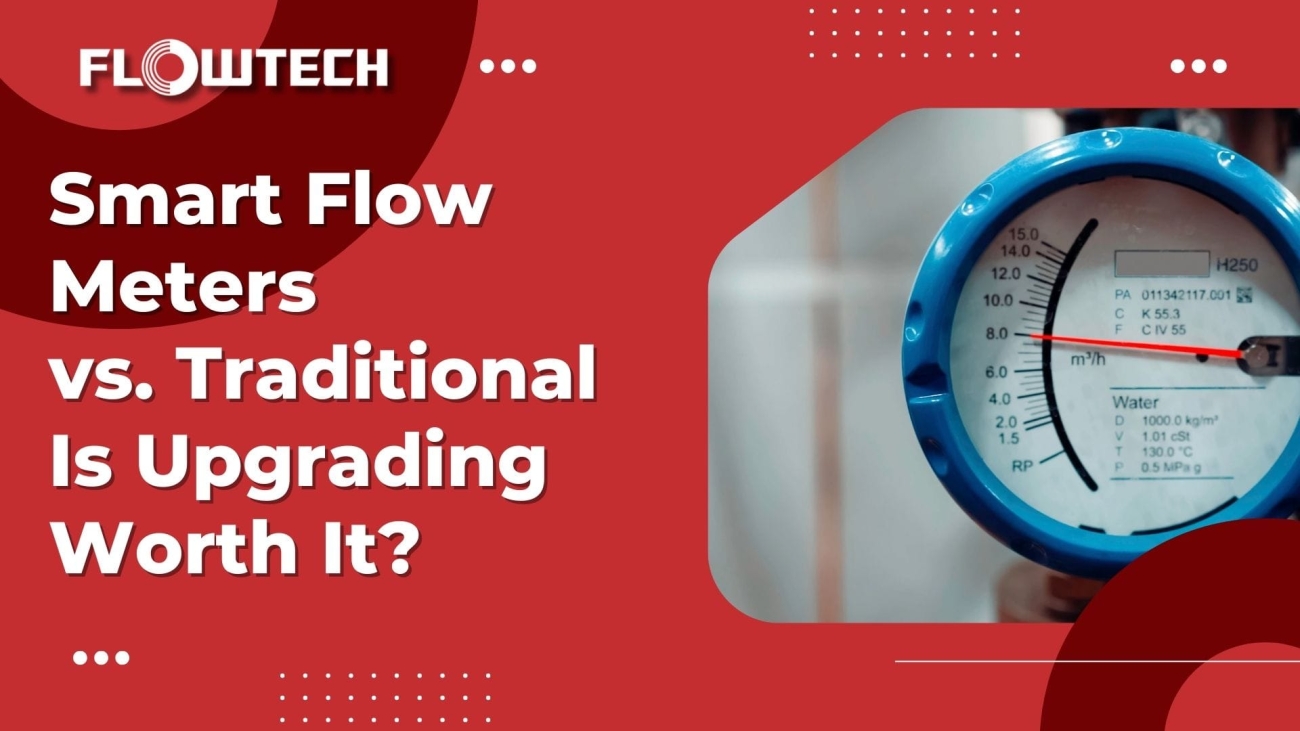
Smart Flow Meters vs Traditional Is Upgrading Worth It?

Smart Flow Meters vs. Traditional: Is Upgrading Worth It?

Introduction: Are Smart Flow Meters Really Better?

Flow measurement technology has evolved dramatically, with smart flow meters offering real-time data, remote monitoring, and predictive diagnostics. But when comparing smart flow meters vs. traditional options like turbine, mechanical, or differential pressure models, is upgrading always the right choice?

The answer depends on your industry, budget, and operational needs. In this guide, we break down:
✔ Key differences between smart and traditional meters
✔ Cost comparison (upfront vs. long-term savings)
✔ Industries that benefit most from upgrading
✔ When sticking with traditional meters makes sense

Let’s dive in.

Smart Flow Meters vs. Traditional: Key Differences

1. How They Work

  • Traditional Flow Meters
    • Mechanical (turbine, positive displacement)
    • Measure flow via moving parts (e.g., rotors, pistons)
    • Require manual calibration & maintenance
  • Smart Flow Meters
    • Digital (ultrasonic, Coriolis, electromagnetic with IoT)
    • Use sensors & AI for real-time analytics
    • Self-diagnose issues & send alerts

2. Accuracy & Performance

FeatureTraditional MetersSmart Meters
Accuracy±1-2%±0.1-0.5%
Turndown Ratio10:1100:1+
MaintenanceHigh (wear & tear)Low (no moving parts)

Example: A brewery using smart ultrasonic meters reduced measurement errors by 18%, saving $12,000/year in product waste.

3. Cost Comparison

Cost FactorTraditional MetersSmart Meters
Upfront Cost1,000–5,0003,000–15,000
InstallationSimpleMay require IT setup
Lifespan5–10 years10–15+ years
Long-Term ROIModerateHigh (saves labor, reduces downtime)

When Smart Meters Pay Off:
✔ High-value fluids (pharma, chemicals)
✔ Strict compliance needs (EPA, FDA)
✔ Remote or hard-to-access locations

When Traditional Meters Suffice:
✔ Low-budget operations
✔ Non-critical measurements
✔ Stable, predictable flow conditions

Industries That Benefit Most from Smart Flow Meters

1. Water & Wastewater

  • Why Smart? Detects leaks early, reduces non-revenue water loss
  • Best Pick: Electromagnetic smart meters with cloud monitoring

2. Oil & Gas

  • Why Smart? Handles multiphase flow, predicts equipment failures
  • Best Pick: Coriolis meters with predictive analytics

3. Food & Beverage

  • Why Smart? Sanitary design, reduces contamination risk
  • Best Pick: Ultrasonic meters with CIP (clean-in-place) compatibility

4. Chemical Processing

  • Why Smart? Tracks exact dosing, prevents costly errors
  • Best Pick: IoT-enabled mass flow meters

5 Signs It’s Time to Upgrade

  1. Frequent calibration needs (smart meters self-calibrate)
  2. Unexplained measurement drift
  3. High maintenance costs
  4. Need for remote monitoring
  5. Regulatory compliance updates

The Verdict: Smart flow meters vs Traditional Is Upgrading Worth It?

✅ Yes, if:

  • You need higher accuracy
  • Downtime costs are high
  • Remote access would improve efficiency

❌ No, if:

  • Your current system works fine
  • Budget constraints are tight
  • Measurements aren’t mission-critical

Pro Tip: Start with a pilot program—install one smart meter in a critical area before full-scale adoption.


Need Help Deciding?

Still unsure whether smart flow meters are right for you? Our experts can analyze your setup and recommend the best solution. Contact us today for a free consultation!