What Is a Rotameter Working Principle Types Applications

What Is a Rotameter? Working Principle, Types & Industrial Applications

Introduction

When it comes to accurate flow measurement, one of the most trusted and time-tested devices is the rotameter. Whether you’re measuring gas or liquid, rotameters provide a simple, reliable, and visual method to monitor flow in industrial applications. But exactly what is a rotameter? How does it work, and where is it best used?

In this blog, we break down the working principle, types, advantages, and real-world uses of rotameters—especially focusing on the glass tube rotameters offered by Flowtech Instruments.

What Is a Rotameter?

A rotameter is a type of variable area flow meter that measures the flow rate of liquids or gases in a closed tube. It’s one of the most cost-effective and low-maintenance tools for visual flow indication.

Unlike digital sensors, rotameters provide a direct reading through a float suspended inside a vertically oriented, tapered tube—typically made of glass or plastic. As the flow increases, the float rises, and its position indicates the flow rate.

Working Principle of a Rotameter

The working principle of a rotameter is based on the variable area concept.

Here’s how it works:

  1. Fluid enters from the bottom of the vertical tube.
  2. A float inside the tube is lifted by the force of the fluid.
  3. As the float rises, the area between the float and the tube wall increases, reducing the upward force.
  4. When the upward fluid force equals the downward gravitational force, the float stabilizes.
  5. The position of the float corresponds to a scale, indicating the flow rate.

✅ It’s a passive, mechanical system—meaning no external power or complex electronics are needed.

Types of Rotameters

There are several types of rotameters depending on the application and construction:

  1. Glass Tube Rotameter
    • Common in lab and industrial setups
    • Visual clarity and chemical resistance
    • Flowtech’s GTRM Series is widely used in industries like chemical processing and water treatment.
  2. Metal Tube Rotameter
    • Designed for higher pressure or opaque fluids
    • Often includes transmitters for remote monitoring
  3. Acrylic Body Rotameter
    • Lightweight and corrosion-resistant
    • Ideal for low-pressure applications
  4. Bypass Rotameters
    • Used for small flow rates (gases or liquids)
    • Great for purging systems, gas sampling, or analyzer flow control

Rotameter for Gas and Liquid Measurement

Rotameters can handle both liquids and gases, but the float design and calibration differ.

  • For liquids: Float shape is optimized for higher density and viscosity.
  • For gases: Lightweight floats and larger tube diameters are used to accommodate compressibility.

At Flowtech Instruments, each rotameter is calibrated based on the intended fluid medium to ensure accurate flow measurement and compliance with standards.

Industrial Applications of Rotameters

Rotameters are used across a wide variety of industries:

  • Water Treatment Plants
    Monitoring chemical dosing, filtration rates, or flow in pipelines.
  • Oil & Gas
    Purge gas flow monitoring, compressed air systems.
  • Chemical & Pharma
    Liquid transfer control, gas flow regulation in cleanrooms.
  • HVAC Systems
    Chilled water or air flow monitoring in cooling systems.
  • Laboratories
    For precision experiments needing visual flow control.

Advantages of Using Rotameters

Visual Flow Indication
Quick, real-time visibility—no batteries or power required.

Low Maintenance
Few moving parts, simple design = longer life.

Cost-Effective
Ideal for budget-sensitive projects with accurate needs.

Reliable in Harsh Conditions
Especially glass tube rotameters, which are resistant to corrosion and chemicals.

Customizable
Flowtech Instruments offers custom calibration, material selection (PTFE, SS316), and installation options.

Limitations of Rotameters (and When Not to Use Them)

While rotameters are highly dependable, they may not be the best fit when:

  • Extremely high pressures or temperatures are involved.
  • The fluid is opaque or dirty, blocking float visibility.
  • Electronic flow data logging or remote monitoring is essential.

In such cases, smart flow meters or ultrasonic meters may be more appropriate.

Why Choose Flowtech Instruments’ Rotameters?

At Flowtech Instruments, we specialize in manufacturing high-quality glass tube rotameters trusted by engineers across industries. Our rotameters are:

  • NABL, ISO, and IBR certified
  • Built for accuracy and durability
  • Available in varied flow ranges and materials
  • Backed by technical support and calibration services

Whether you need a standard setup or a custom flow solution, we can help you find the perfect rotameter for your needs.

Conclusion

Understanding what a rotameter is—along with its working principle, types, and benefits—helps industries make informed choices for flow measurement solutions.

Flowtech Instruments offers a wide range of glass tube rotameters and variable area flow meters that are accurate, robust, and industry-compliant. If you’re unsure which type is right for your application, our team is here to assist you with expert guidance.

🔗 Explore our Rotameter Range
📩 Have questions? Contact us today.

The Critical Role of Flow Meter Calibration Ensuring Accuracy Compliance

The Critical Role of Flow Meter Calibration: Ensuring Accuracy & Compliance

Introduction: Why Flow Meter Calibration Isn’t Optional

Flow meter calibration is the invisible backbone of process industries – a single uncalibrated meter can cause:
✔ Revenue losses (1% error = $100K/year in oil & gas)
✔ Safety risks (Overflows, under-dosing)
✔ Compliance violations (FDA/EPA fines up to $50K/day)

With NABL-accredited calibration labs and ISO 17025-certified processes, we’ll explain:

  • How calibration works
  • When to calibrate
  • Lab vs field methods
  • Certification requirements

How Flow Meter Calibration Works

1. The Calibration Process

  1. Benchmarking against master meters (0.1% accuracy)
  2. Multi-point testing (20%, 50%, 100% of range)
  3. Error curve analysis (Adjust or recalibrate)

Example: A turbine meter measuring diesel showed 3.2% deviation – recalibration caught it before 80,000L went unbilled.

2. NABL vs Non-Certified Calibration

FactorNABL CertifiedStandard Lab
TraceabilityTo national standardsUnknown
DocumentationLegal validityInternal use only
Error Margin±0.1%±0.5-1%
AcceptanceCourts/regulatorsPlant use

When to Calibrate: Industry-Specific Guidelines

IndustryCalibration FrequencyStandard
Oil & Gas (Custody Transfer)6 monthsAPI MPMS Ch. 5.6
Pharmaceuticals3-6 monthsFDA 21 CFR Part 11
Water Utilities12 monthsAWWA C710
Chemicals6 monthsISO 9001

Pro Tip: Double frequency if measuring:

  • High-value products (LNG, specialty chemicals)
  • Abrasive/corrosive fluids

On-Site vs Lab Calibration

Field Calibration (Portable Standards)

✔ No process interruption
✔ Checks entire measurement chain
✖ Limited to ±0.5% accuracy

Lab Calibration (NABL Certified)

✔ Achieves ±0.1% accuracy
✔ Controlled environment
✖ Requires meter removal

Cost Comparison:

  • Field: $300-$800/service
  • Lab: $500-$1,500/meter

5 Signs Your Flow Meter Needs Calibration

  1. Drift in historical data (>1% from baseline)
  2. Process changes (New fluid, temperature range)
  3. Physical impacts (Vibration, water hammer)
  4. Regulatory audits (Upcoming inspections)
  5. Warranty compliance (Manufacturer requirements)

The Hidden Costs of Poor Calibration

IssueFinancial Impact
1% under-measurement$150K/year loss (50,000L/day @ $8/L)
FDA non-compliance$50K fine + recall costs
Boiler overpressure$500K repair + downtime

Calibration Certificate Checklist

Ensure yours includes:
✅ NABL/ISO 17025 logo
✅ Unique certificate number
✅ Measurement uncertainty values
✅ Next due date
✅ Testing conditions (temp, pressure, fluid)

Need Certified Calibration Services?

Our NABL-accredited flow calibration lab offers:

  • On-site mobile calibration
  • ISO 17025 compliant reports
  • Custom calibration schedules

Get Your Calibration Quote Today

How Smart Flow Measurement Enhances Process Efficiency in Refineries

How Smart Flow Measurement Enhances Process Efficiency in Refineries

Introduction: The Importance of Smart Flow Measurement in Refineries

In the oil and gas industry, precise flow monitoring in oil refineries is essential for ensuring process efficiency in petrochemicals and biofuel production. Traditional flow measurement systems often suffer from inaccuracies, requiring frequent calibration and manual adjustments. However, with advancements in smart flow measurement, refineries can now achieve real-time monitoring, enhanced automation, and significant cost savings.

HART-enabled flowmeters and intelligent sensors have revolutionized refinery automation, providing seamless integration, improved accuracy, and predictive maintenance capabilities. This blog explores how smart flow measurement enhances the efficiency of refineries and petrochemical plants while reducing operational risks.

Understanding Smart Flow Measurement in Refineries

What is Smart Flow Measurement?

Smart flow measurement refers to digitally connected flowmeters and sensors that communicate with central control systems to optimize fluid flow in industrial processes. These devices use advanced communication protocols such as HART (Highway Addressable Remote Transducer), Foundation Fieldbus, and Modbus to deliver real-time flow data for process optimization.

Key technologies in smart flow measurement include:

HART-enabled Electromagnetic Flowmeters – Providing highly accurate, maintenance-free flow measurement.
Coriolis and Ultrasonic Flowmeters – Used for precise mass flow and density measurement.
Wireless Flow Sensors – Offering remote monitoring and predictive maintenance capabilities.

By integrating these technologies, refineries can automate operations, reduce human errors, and improve decision-making based on real-time data.

The Role of Smart Flow Measurement in Refinery Automation

1. Real-Time Flow Monitoring in Oil Refineries

Accurate flow monitoring in oil refineries is critical for ensuring smooth operations in key processes like crude distillation, catalytic cracking, and hydroprocessing. Smart flowmeters enable continuous monitoring of liquid and gas flows, reducing fluctuations and preventing process inefficiencies.

2. Improved Process Efficiency in Petrochemicals

In the petrochemical industry, precise flow measurement is necessary for handling volatile chemicals, high-temperature fluids, and multi-phase mixtures. Smart sensors help in:

Optimizing Chemical Reactions – Ensuring precise ingredient mixing for higher yield.
Reducing Wastage – Identifying leaks or process inefficiencies before they escalate.
Enhancing Energy Efficiency – Lowering energy consumption by fine-tuning pump and compressor performance.

3. Predictive Maintenance & Reduced Downtime

Traditional flowmeters require periodic manual inspections, leading to unexpected failures and costly downtime. HART-enabled flowmeters provide real-time diagnostics, allowing maintenance teams to predict issues before they cause disruptions.

With predictive analytics, refineries can:

Extend equipment lifespan by addressing wear and tear early.
Minimize shutdowns by scheduling proactive maintenance.
Reduce maintenance costs by avoiding unnecessary interventions.

4. Enhanced Regulatory Compliance

Government regulations require refineries to maintain precise control over emissions, wastewater, and hazardous material flow. Smart flow measurement solutions ensure:

Accurate environmental monitoring for compliance with pollution control laws.
Automated reporting capabilities to meet safety standards.
Consistent data logging to track and improve process efficiencies.

Benefits of Implementing Smart Flow Measurement in Refineries

Higher Accuracy: Eliminates human errors and improves measurement precision.
Reduced Energy Consumption: Optimizes process flow for lower operational costs.
Remote Monitoring: Allows real-time adjustments from central control rooms.
Lower Maintenance Costs: Predictive diagnostics prevent failures and unnecessary servicing.
Improved Safety & Compliance: Ensures adherence to industrial and environmental regulations.

Conclusion: The Future of Smart Flow Measurement in Refinery Automation

The adoption of smart flow measurement in oil refineries, biofuel plants, and petrochemical industries is transforming industrial operations by enhancing process efficiency, reducing energy consumption, and improving regulatory compliance.

By integrating HART-enabled flowmeters and advanced flow monitoring systems, refineries can achieve higher accuracy, cost savings, and predictive maintenance benefits. As the industry moves towards digital transformation, implementing smart flow measurement technologies will be essential for future-ready, sustainable operations.

Get Smart Flow Measurement Solutions for Your Refinery

Looking for high-precision flow monitoring solutions for your refinery or petrochemical plant? Flowtech Measuring Instruments Pvt. Ltd. offers a wide range of HART-enabled electromagnetic flowmeters, ultrasonic sensors, and smart measurement devices tailored to refinery automation needs.

Email: sales@flowtech-instruments.com
Product Inquiry : www.flowtech-instruments.com
Call: +91 94 288 76 496

Let’s optimize your refinery’s process efficiency with cutting-edge smart flow measurement solutions!

Overcoming Flow Measurement Challenges in the Oil and Gas Industry

Common Flow Measurement Challenges in the Oil and Gas Industry and Solutions

Flow measurement is a critical aspect of operations in the oil and gas industry. Accurate flow measurement ensures safety, regulatory compliance, and operational efficiency. However, various flow measurement challenges can impede these goals. In this blog post, we will discuss the common flow measurement challenges in the oil and gas industry and provide practical solutions to overcome them.

Common Flow Measurement Challenges

  1. Variability in Fluid Properties

Fluid composition in oil and gas operations can vary significantly, affecting flow meter performance. Changes in temperature, pressure, and viscosity can lead to inaccurate measurements.

Solution: Implement advanced flow measurement solutions that can adapt to varying fluid properties. For example, utilizing Coriolis mass flow meters can provide high accuracy across a range of fluid conditions.

  1. Installation Issues

Improper installation of flow measurement devices can lead to erroneous readings. Factors such as inadequate straight pipe lengths or disturbances from downstream equipment can affect flow meter accuracy.

Solution: Follow manufacturer guidelines meticulously during installation, ensuring proper pipe configurations and flow profiles. Where possible, conduct site audits and adjustments to ensure optimal flow conditions.

  1. Environmental Conditions

Extreme temperatures, corrosive environments, and vibration can adversely impact flow meters, resulting in inaccuracies or equipment failure.

Solution: Select flow measurement devices that are designed for harsh environmental conditions. For instance, using devices with protective coatings or suitable enclosure ratings can safeguard against environmental stressors.

  1. Calibration and Maintenance

Regular calibration and maintenance are essential for maintaining flow meter accuracy. However, many operators overlook this crucial aspect, leading to decreased performance over time.

Solution: Establish a routine maintenance schedule and invest in flow measurement solutions that are easy to calibrate. Automated calibration systems can help maintain accuracy without extensive downtime.

  1. Integration with Existing Systems

Integrating new flow measurement technologies with existing systems can often be challenging, impacting overall efficiency.

Solution: Opt for flow measurement products that offer compatibility with industry-standard protocols. This ensures seamless integration when upgrading or expanding your flow measurement systems.

Best Practices for Overcoming Flow Measurement Challenges

To further enhance flow meter accuracy and reliability in the oil and gas industry, consider the following best practices:

  • Training and Expertise: Ensure that your team is well-trained in using and maintaining flow measurement systems. Understanding the specific challenges helped them better pinpoint issues and apply effective solutions.
  • Invest in Technology: Stay updated with the latest advancements in flow measurement solution technologies. Embracing smart flow meters can offer real-time data analytics, improving decision-making processes.
  • Consult with Experts: Collaborate with flow measurement experts who can provide insights tailored to your specific operational needs. For instance, Flowtech’s flow measurement solutions offer valuable resources on optimizing oil and gas measurement.

Conclusion

Flow measurement challenges in the oil and gas industry can significantly impact operational efficiency and compliance. By addressing variability in fluid properties, installation issues, environmental conditions, calibration needs, and the integration of new technologies, operators can enhance their flow meter accuracy. Implementing best practices and consulting with industry experts can further streamline operations, ensuring safety and efficiency.

For more insights into flow measurement and solutions, check out our dedicated page on flow measurement technologies.

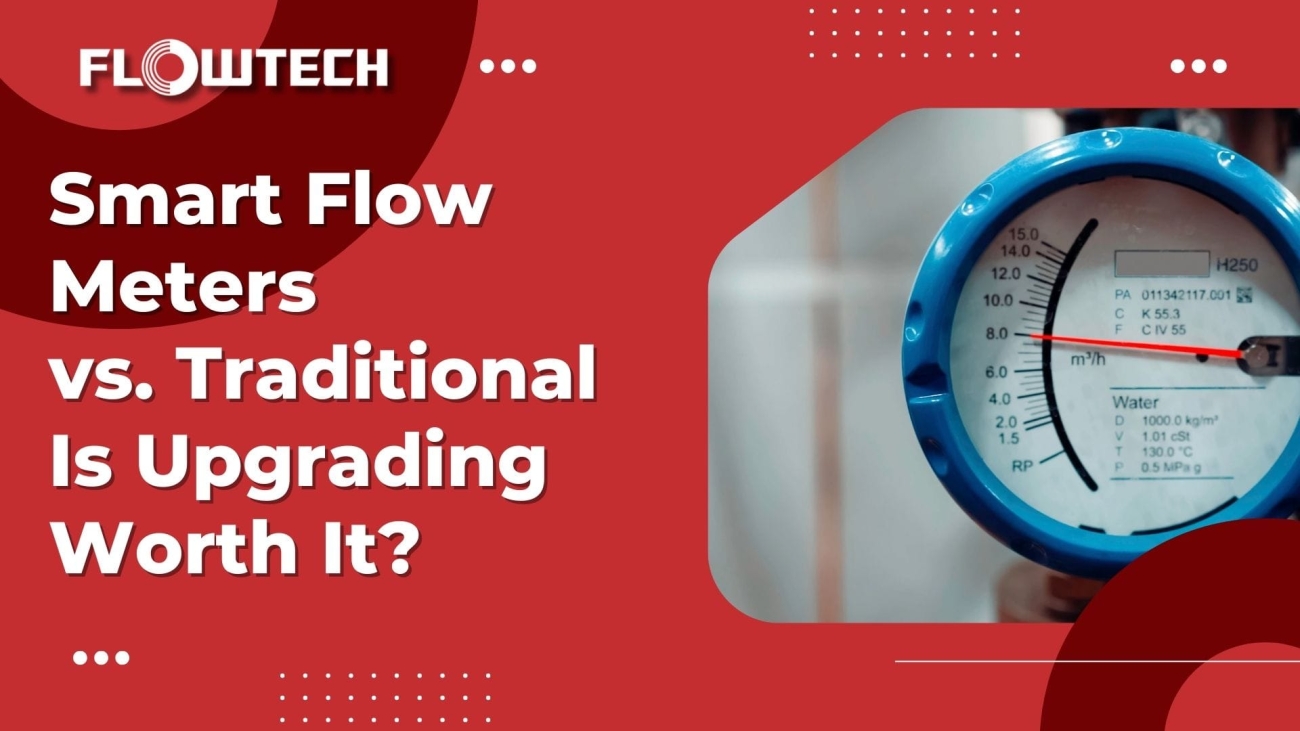
Smart Flow Meters vs Traditional Is Upgrading Worth It?

Smart Flow Meters vs. Traditional: Is Upgrading Worth It?

Introduction: Are Smart Flow Meters Really Better?

Flow measurement technology has evolved dramatically, with smart flow meters offering real-time data, remote monitoring, and predictive diagnostics. But when comparing smart flow meters vs. traditional options like turbine, mechanical, or differential pressure models, is upgrading always the right choice?

The answer depends on your industry, budget, and operational needs. In this guide, we break down:
✔ Key differences between smart and traditional meters
✔ Cost comparison (upfront vs. long-term savings)
✔ Industries that benefit most from upgrading
✔ When sticking with traditional meters makes sense

Let’s dive in.

Smart Flow Meters vs. Traditional: Key Differences

1. How They Work

  • Traditional Flow Meters
    • Mechanical (turbine, positive displacement)
    • Measure flow via moving parts (e.g., rotors, pistons)
    • Require manual calibration & maintenance
  • Smart Flow Meters
    • Digital (ultrasonic, Coriolis, electromagnetic with IoT)
    • Use sensors & AI for real-time analytics
    • Self-diagnose issues & send alerts

2. Accuracy & Performance

FeatureTraditional MetersSmart Meters
Accuracy±1-2%±0.1-0.5%
Turndown Ratio10:1100:1+
MaintenanceHigh (wear & tear)Low (no moving parts)

Example: A brewery using smart ultrasonic meters reduced measurement errors by 18%, saving $12,000/year in product waste.

3. Cost Comparison

Cost FactorTraditional MetersSmart Meters
Upfront Cost1,000–5,0003,000–15,000
InstallationSimpleMay require IT setup
Lifespan5–10 years10–15+ years
Long-Term ROIModerateHigh (saves labor, reduces downtime)

When Smart Meters Pay Off:
✔ High-value fluids (pharma, chemicals)
✔ Strict compliance needs (EPA, FDA)
✔ Remote or hard-to-access locations

When Traditional Meters Suffice:
✔ Low-budget operations
✔ Non-critical measurements
✔ Stable, predictable flow conditions

Industries That Benefit Most from Smart Flow Meters

1. Water & Wastewater

  • Why Smart? Detects leaks early, reduces non-revenue water loss
  • Best Pick: Electromagnetic smart meters with cloud monitoring

2. Oil & Gas

  • Why Smart? Handles multiphase flow, predicts equipment failures
  • Best Pick: Coriolis meters with predictive analytics

3. Food & Beverage

  • Why Smart? Sanitary design, reduces contamination risk
  • Best Pick: Ultrasonic meters with CIP (clean-in-place) compatibility

4. Chemical Processing

  • Why Smart? Tracks exact dosing, prevents costly errors
  • Best Pick: IoT-enabled mass flow meters

5 Signs It’s Time to Upgrade

  1. Frequent calibration needs (smart meters self-calibrate)
  2. Unexplained measurement drift
  3. High maintenance costs
  4. Need for remote monitoring
  5. Regulatory compliance updates

The Verdict: Smart flow meters vs Traditional Is Upgrading Worth It?

✅ Yes, if:

  • You need higher accuracy
  • Downtime costs are high
  • Remote access would improve efficiency

❌ No, if:

  • Your current system works fine
  • Budget constraints are tight
  • Measurements aren’t mission-critical

Pro Tip: Start with a pilot program—install one smart meter in a critical area before full-scale adoption.


Need Help Deciding?

Still unsure whether smart flow meters are right for you? Our experts can analyze your setup and recommend the best solution. Contact us today for a free consultation!

Why Industry Certifications Matter A Guide to NABL ISO IBR More

Why Industry Certifications Matter: A Guide to NABL, ISO, IBR & More

Introduction: Why Flow Meter Certifications Are Non-Negotiable in Flow Measurement

In industries where precision and reliability are paramount—oil & gas, water treatment, pharmaceuticals, and more— Flow Meter certifications aren’t just paperwork; they’re proof of performance.

At Flowtech, we hold NABL, ISO, IBR, UDYAM, and Weights & Measures approvals because we understand that certified flow meters:
✔ Ensure measurement accuracy (critical for billing & compliance)
✔ Reduce operational risks (safety failures cost lives)
✔ Build customer trust (certified = credible)
✔ Meet legal requirements (avoid fines and shutdowns)

Let’s break down why these certifications matter and how they protect your operations.

Key Flow Meter Certifications & Why They Matter

1. NABL (National Accreditation Board for Testing and Calibration Laboratories)

  • What It Means: Independent verification of calibration accuracy
  • Why It Matters:
    • Ensures your meter’s readings are legally defensible
    • Required for custody transfer applications (oil, gas, chemicals)
    • Reduces measurement disputes by >90%

2. ISO 9001 (Quality Management)

  • What It Means: Standardized manufacturing processes
  • Why It Matters:
    • Eliminates defects in production
    • Provides traceability from raw materials to final product
    • Fact: ISO-certified suppliers have 30% fewer failures

3. IBR (Indian Boiler Regulations)

  • What It Means: Compliance with high-pressure/high-temperature standards
  • Why It Matters:
    • Legally required for steam flow applications
    • Prevents catastrophic equipment failures
    • Case Study: An uncertified steam meter caused a $250K boiler explosion

4. Weights & Measures Approval (Dept. of Consumer Affairs)

  • What It Means: Legal metrology compliance
  • Why It Matters:
    • Mandatory for billing transactions (water, fuel, LNG)
    • Avoids 5-20% revenue loss from unapproved devices
    • Protects against consumer litigation

5. UDYAM (MSME Certification)

  • What It Means: Government-recognized manufacturer status
  • Why It Matters:
    • Qualifies for tenders and subsidies
    • Enhances credibility with institutional buyers

6. IP Ratings (Ingress Protection)

  • What It Means: Dust/water resistance certification
  • Why It Matters:
    • IP67 meters survive floods/washdowns
    • IP65 is minimum for outdoor industrial use

The Hidden Costs of Uncertified Equipment

RiskCost ImpactCertified Solution
Measurement Errors2-10% revenue lossNABL-calibrated meters
Regulatory Fines$5K-$50K per violationWeights & Measures approval
Downtime$10K-$100K/hourIBR-compliant designs
Reputation DamageLost contractsFull ISO 9001 compliance

Real Example: A chemical plant using uncertified flow meters faced $1.2M in penalties after inaccurate dosing caused an EPA violation.

How to Verify Flow Meter Certifications (Don’t Get Fooled!)

  1. Ask for Certificate Numbers (Check online databases)
  2. Validate Scope (Some certs only cover specific models)
  3. Check Expiry Dates (Annual renewals required)
  4. Audit Reports (Reputable suppliers share them)

Why We Invest in Flow Meter Certifications (And You Should Too)

As a NABL-accredited, ISO 9001:2015, IBR-approved manufacturer, we’ve seen firsthand how certifications:

  • Shorten sales cycles (Large buyers require them)
  • Reduce warranty claims (Certified gear fails 5x less)
  • Future-proof investments (Meet tomorrow’s regulations today)

Flow Meter Certification Checklist for Buyers

Before purchasing any flow meter, confirm it has:
✔ NABL for calibration trust
✔ ISO 9001 for manufacturing quality
✔ IBR if handling steam/boilers
✔ Weights & Measures for billing applications
✔ IP65+ for harsh environments

Need Certified Flow Solutions?

Our fully-certified product line meets the strictest global standards. Contact our team for Certified Flow Meters. Check our Certifications Here.

Ultrasonic Flow Meters: The Complete Guide to Technology, Applications & Selection

Ultrasonic Flow Meters: The Complete Guide to Technology, Applications & Selection

Introduction: The Power of Ultrasonic Flow Measurement

Ultrasonic flow meters have revolutionized flow measurement by offering non-intrusive, highly accurate solutions for challenging applications. Using sound waves to measure velocity, these versatile instruments eliminate pressure drops and maintenance headaches associated with traditional meters.

In this guide, we’ll explore:
✔ How ultrasonic flow meter technology works
✔ Key advantages over conventional meters
✔ Clamp-on vs. inline models compared
✔ Top industrial applications
✔ Selection criteria for optimal performance

How Ultrasonic Flow Meters Work

These meters operate on two fundamental principles:

1. Transit-Time Measurement

  • Two sensors alternate as transmitter/receiver
  • Measures time difference between upstream/downstream sound waves
  • Calculates flow velocity (V = D/t)
  • Accuracy: ±0.5–1% of reading

2. Doppler Effect Measurement

  • Uses reflected sound waves from particles/bubbles
  • Ideal for dirty/slurries
  • Accuracy: ±1–5% of reading

Technical Insight: Advanced models combine both methods for wider application coverage.

5 Key Benefits of Ultrasonic Flow Meters

✅ No Pressure Drop (Unlike orifice plates/turbine meters)
✅ Bidirectional Flow Measurement
✅ Wide Pipe Size Range (DN15 to DN6000+)
✅ Minimal Maintenance (No moving parts/wear)
✅ Retrofit Capability (Clamp-on models)

Ultrasonic Flow Meter Types Compared

TypeInstallationAccuracyBest For
Clamp-OnExternal±1-2%Retrofit projects, large pipes
InsertionWetted±0.5-1%Permanent installations
InlineFull-bore±0.25%High-accuracy requirements

Case Study: A water utility saved $85,000 in installation costs using clamp-on meters instead of cutting pipes.

Top Industrial Applications

1. Water & Wastewater

  • Leak detection in distribution networks
  • Pump efficiency monitoring

2. Oil & Gas

  • Custody transfer of light hydrocarbons
  • Produced water measurement

3. Chemical Processing

  • Corrosive acid flows
  • High-purity chemical batching

4. HVAC Systems

  • Chilled water flow balancing
  • Energy consumption monitoring

Selection Guide: Choosing the Right Ultrasonic Meter

1. Fluid Compatibility Check

  • Liquid/gas? (Most ultrasonic meters work with both)
  • Minimum conductivity requirements
  • Particle content (affects Doppler vs transit-time choice)

2. Pipe Considerations

  • Material (works on metal, plastic, concrete)
  • Lining thickness (critical for clamp-on accuracy)
  • Condition (pitting/scaling reduces performance)

3. Process Parameters

  • Flow velocity range (0.01–25 m/s typical)
  • Temperature limits (-40°C to 200°C)
  • Pressure rating (up to 100 bar for inline models)

4. Output & Connectivity

  • 4-20mA/Pulse outputs
  • HART/Modbus protocols
  • Wireless options (Bluetooth, WiFi)

Common Installation Mistakes to Avoid

❌ Insufficient Straight Runs (10D upstream/5D downstream minimum)
❌ Poor Sensor Alignment (Use manufacturer’s angle guides)
❌ Ignoring Pipe Condition (Remove heavy scaling/linings)
❌ Wrong Couplant Application (Affects signal strength)

Maintenance Best Practices

  1. Quarterly: Verify zero calibration
  2. Biannually: Inspect sensor surfaces
  3. Annually: Re-apply coupling compound
  4. As Needed: Update firmware

The Future of Ultrasonic Flow Technology

Emerging innovations include:

  • AI-powered signal processing
  • Battery-powered wireless models
  • Hybrid ultrasonic/magnetic designs
  • Cloud-based flow analytics

Need Help Selecting an Ultrasonic Flow Meter?

Our application engineers specialize in matching ultrasonic technology to your specific requirements. Get expert advice today.

If you liked this post read more about – Industrial Flow Meter Selection Guide

Smart Flow Meter Technology

The Complete Guide to Industrial Flow Meter Selection for Optimal Performance

The Complete Guide to Industrial Flow Meter Selection for Optimal Performance

Introduction: Why Proper Flow Meter Selection Matters

Choosing the right industrial flow meter is one of the most critical decisions for process engineers and plant managers. With over 15 types of flow measurement technologies available – from basic mechanical meters to advanced Coriolis systems – proper flow meter selection directly impacts:

✔ Measurement accuracy (±0.1% vs ±5%)
✔ Maintenance costs ($500 vs $5,000/year)
✔ Process efficiency gains (5-20% typical)
✔ Regulatory compliance success

This comprehensive guide will walk you through the key factors in flow meter selection, compare technologies, and provide industry-specific recommendations to ensure optimal performance.

Flow Meter Selection: 5 Critical Decision Factors

1. Fluid Characteristics

  • Liquid/Gas/Slurry?
  • Viscosity range
  • Temperature/Pressure limits
  • Chemical compatibility
  • Presence of solids/abrasives

2. Process Requirements

  • Flow rate range (min/max)
  • Accuracy needs
  • Output signal type
  • Pressure drop limitations

3. Installation Environment

  • Pipe size/material
  • Available straight runs
  • Hazardous area classification
  • Ambient conditions

4. Operational Factors

  • Maintenance accessibility
  • Calibration frequency
  • Expected lifespan
  • Staff technical capability

5. Budget Considerations

  • Initial purchase cost
  • Installation expenses
  • Lifetime operating costs
  • Potential ROI from upgrades

Flow Meter Technology Comparison

TypeBest ForAccuracyMaintenanceCost
TurbineClean liquids/gases±0.5-1%Medium$$
UltrasonicLarge pipe liquids±0.5-2%Low$$$
CoriolisHigh-value fluids±0.1%Low$$$$
MagneticConductive liquids±0.2-1%Low$$$
DP MetersSteam/gas flows±1-5%High$

Case Example: A pharmaceutical company reduced batch errors by 90% after switching from orifice plates to Coriolis meters for critical ingredient dosing.

Industry-Specific Flow Meter Selection

1. Chemical Processing

  • Challenge: Corrosive media measurement
  • Solution: PTFE-lined magnetic meters
  • Key Spec: Hazardous area certification

2. Oil & Gas

  • Challenge: Multiphase flow measurement
  • Solution: Coriolis with multivariable output
  • Key Spec: High-pressure rating (ANSI 900+)

3. Water Treatment

  • Challenge:* Large pipe flow monitoring
  • Solution: Clamp-on ultrasonic
  • Key Spec: IP68 waterproof rating

4. Food & Beverage

  • Challenge: Sanitary requirements
  • Solution: Tri-clamp sanitary turbine
  • Key Spec: 3-A certification

Common Flow Meter Selection Mistakes to Avoid

❌ Choosing based on price alone
Fix: Calculate 5-year TCO including maintenance

❌ Ignoring installation requirements
Fix: Verify straight run needs before purchase

❌ Over-specifying accuracy needs
Fix: Match meter specs to actual process requirements

❌ Neglecting future scalability
Fix: Select meters with upgrade capabilities

Implementation Checklist

  1. Document all process parameters (flow range, fluid specs, etc.)
  2. Consult with manufacturers for application review
  3. Request sample testing when possible
  4. Plan for proper installation (orientation, supports, etc.)
  5. Develop calibration/maintenance schedule

Need Expert Help with Flow Meter Selection?

Our application engineers have helped over 500 facilities optimize their flow measurement systems. Get a free consultation to ensure you select the perfect meter for your specific needs.

Smart Flow Meter Technology: The Future of Industrial Flow Measurement

Smart Flow Meter Technology: The Future of Industrial Flow Measurement

The flow measurement industry is undergoing a digital revolution. Smart flow meters are transforming how industries monitor and control liquid and gas flows, offering unprecedented accuracy, connectivity, and predictive capabilities.

Unlike traditional mechanical meters, these advanced devices integrate IoT connectivity, real-time analytics, and remote monitoring – but are they the right choice for your facility? In this guide, we’ll explore:

✔ How smart flow meter technology works
✔ Key benefits over traditional meters
✔ Top industrial applications
✔ Cost vs. ROI analysis
✔ Implementation considerations

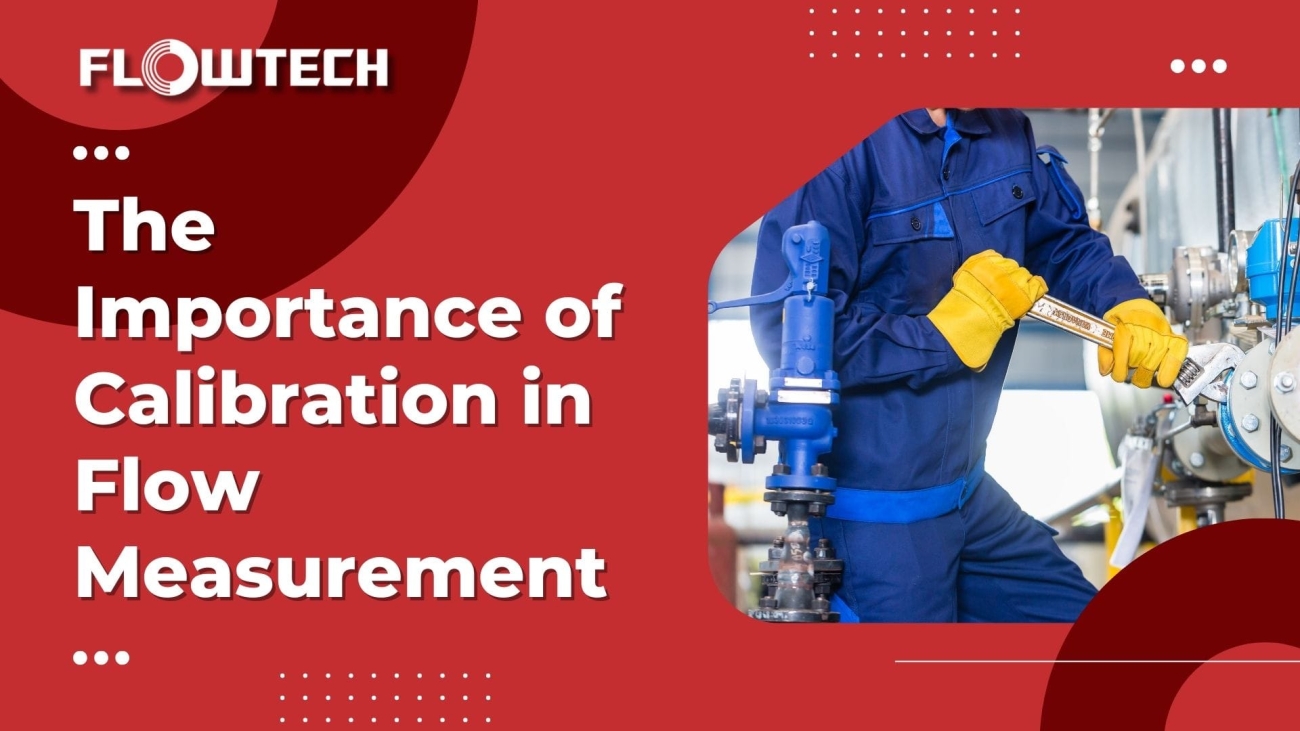
The Importance of Calibration in Flow Measurement

The Importance of Calibration in Flow Measurement

In various industries, the precise measurement of fluid flow is crucial for quality control, safety, and efficiency. From oil and gas to water treatment and pharmaceuticals, flow meters are essential tools that measure the amount of fluid passing through a system. However, to ensure accurate readings and optimal performance, regular calibration of these instruments is paramount. In this blog post, we will explore the importance of calibration in flow measurement and how it impacts various aspects of operational efficiency.

What is Calibration?

Calibration is the process of adjusting and verifying the accuracy of a measuring instrument by comparing its performance against a known standard. In the case of flow meters, this involves comparing the flow meter’s output with a standard flow rate to ensure its readings are accurate. Calibration must be performed periodically, as factors such as wear and tear, environmental conditions, and changes in the fluid being measured can cause drift in measurements over time.

Why is Calibration Important?

  1. Accuracy and Reliability
    • Accurate flow measurements are critical for operational efficiency and decision-making processes. Even minor inaccuracies can lead to significant financial losses, safety hazards, and compliance issues. Calibration ensures that flow meters provide reliable data, essential for maintaining the integrity of operations.
  2. Regulatory Compliance
    • In industries governed by strict regulatory standards, such as pharmaceuticals or food and beverage, calibration is often a requirement. Regular calibration ensures compliance with industry regulations and standards, helping companies avoid penalties and maintain their reputation.
  3. Optimizing Performance
    • Regular calibration helps maintain the performance of flow meters, ensuring they operate within specified limits. This can lead to improved efficiency, reduced waste, and lower operational costs. For example, an under-reported flow rate can lead to inefficient production processes or inadequate inventory management, while an over-reported rate can result in excess costs.
  4. Identification of Equipment Issues
    • Routine calibration can reveal underlying equipment issues before they escalate. For instance, if a flow meter consistently provides inaccurate readings, this may indicate wear on the device or issues with the flow system itself. Early detection allows for necessary repairs or replacements, minimizing downtime and maximizing productivity.
  5. Enhancing Maintenance Strategies
    • Integrating calibration into preventive maintenance strategies can enhance overall operational effectiveness. Regularly scheduled calibrations ensure that flow meters are functioning properly and can help extend the life of the equipment. Additionally, maintaining accurate instruments can streamline maintenance processes by identifying potential failures early.

Best Practices for Calibration

  1. Establish a Calibration Schedule
    • Create a routine calibration schedule based on the specific requirements of your flow meters and industry standards. Depending on the application, some meters may require calibration monthly, quarterly, or annually.
  2. Use Certified Calibration Standards
    • Ensure that calibration is performed using certified standards and equipment. This guarantees that measurements are accurate and traceable to national or international standards.
  3. Document Calibration Results
    • Maintain meticulous records of calibration results, including date, measured values, adjustments made, and the technician responsible. This documentation can be crucial for compliance audits and performance reviews.
  4. Train Personnel
    • Ensure that staff members responsible for calibration are properly trained in the calibration process. Understanding the operation and characteristics of flow meters is crucial for effective calibration.
  5. Involve a Professional Service
    • Consider engaging a professional calibration service for complex flow measurement systems. Professional technicians can ensure that the calibration process is thorough and meet industry standards.

Conclusion

Calibration is not merely a routine task; it is a critical factor in ensuring the accuracy, reliability, and ultimate success of flow measurement systems. By implementing a robust calibration plan, businesses can enhance operational efficiency, comply with regulations, and reduce costs. Remember, in the world of flow measurement, accuracy is key—investing in regular calibration helps to protect that investment and ensures your processes run smoothly.

Ready to ensure the accuracy of your flow measurement systems? Contact us today to learn more about professional calibration services tailored to your industry needs!

Get in Touch | Learn More About Our Services